
The conflict between Iran and the United States has led to a global maritime crisis. US President Donald Trump has asked nations around the world to send warships to the Strait of Hormuz to keep the passage open.
In a message posted on social media, US President Donald Trump asked nations like South Korea, Japan, France, China, and the United Kingdom to join the US in the conflict. He said that the nations’ economies depend on the passage of oil through the Gulf.
However, no country has agreed to the US request yet. It has been reported that the United Kingdom, France, Japan, and Australia have turned down the US request, taking a cautious approach to the conflict. Germany was also reluctant to join the US, with its Foreign Minister, Annalena Baerbock, stating that Germany does not want to take part in new military operations.
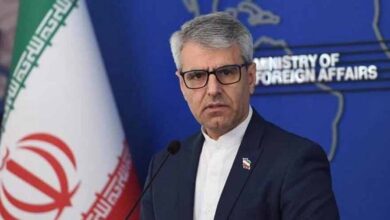
However, the Iranian Foreign Minister, Abbas Araghchi, has said that some nations have asked for permission to allow the safe passage of their ships through the Gulf, with the Iranian military giving the final approval.
India has been granted permission by Iran to allow two of its gas tankers to pass safely through the Gulf.
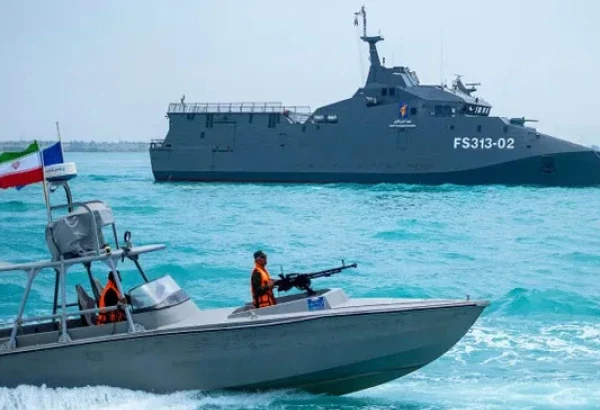
The conflict has affected global maritime activities, with at least ten oil tankers attacked or targeted since the conflict began. It has also left nearly 1,000 vessels stranded in the Gulf.
Fuel has been added to the conflict with the announcement by the Islamic Revolutionary Guard Corps that its spokesman has asked the US to send its warships to the Gulf, so that they can be tested.
Experts have warned that the conflict at the Strait of Hormuz is one of the most dangerous global maritime conflicts, posing a threat to global oil supplies and maritime activities, indicating the delicate balance between diplomacy and military might in the region.