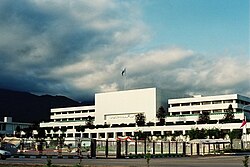

Serious governance failures came under scrutiny as the Senate Standing Committee on Interior and Narcotics Control revealed that the Parliament Lodges are in a deteriorating condition despite substantial budget allocations, with complaints of poor security, unhygienic conditions, lack of staff, and illegal occupants occupying official residences. Lawmakers questioned how public funds were being utilized, calling the situation unacceptable and demanding immediate accountability.
The meeting, chaired by Senator Faisal Saleem Rehman at Parliament House, brought together senior lawmakers and officials to review multiple legislative proposals and internal security matters. Members strongly criticized the condition of the lodges, highlighting the absence of basic janitorial services, weak security arrangements, and administrative negligence.
The committee directed the Capital Development Authority to submit a detailed report and recommended strict action against illegal occupants and defaulters, emphasizing that the facilities must be reserved strictly for parliamentarians.
Alongside the controversy over Parliament Lodges, the committee advanced several key legislative measures. The Pakistan Penal Code Amendment Bill 2026 and the Offence of Zina Amendment Bill 2026 were unanimously approved after deliberations, while the National Database and Registration Authority Amendment Bill 2026 was also passed without opposition.
However, concerns were raised over delays in implementing the Islamabad Real Estate Regulation Amendment Bill 2026, despite it having already been passed by both houses of Parliament. The Ministry of Interior informed the committee that the delay is linked to efforts to avoid legal overlaps, and further consultations are underway.
The proposed Islamabad Metro Bus Service Bill 2026 also triggered debate, with the CDA opposing the creation of a new regulatory authority, stating that an existing dedicated transport wing already handles operations. The committee deferred the matter and directed all stakeholders to reach consensus before the next session.
Security policy issues also dominated the meeting. The committee reviewed the ban on tinted vehicle glasses, originally imposed due to misuse, and proposed a fee based exemption mechanism, suggesting that parliamentarians and diplomats be allowed limited use. The arms license policy was also discussed, with officials confirming that it is currently under review by the federal cabinet.
In a separate briefing, serious concerns were raised regarding the blocking of CNICs, with lawmakers highlighting cases where Pakistani citizens were allegedly blocked while some Afghan nationals were still holding Pakistani identity cards. The Ministry of Interior clarified that CNIC blocking is subject to court orders under the current legal framework. The committee directed authorities to investigate the issue thoroughly and resolve discrepancies urgently.
The committee also reviewed the law and order situation in Khyber Pakhtunkhwa, particularly in Mardan, where police reported ongoing counter-terrorism operations against TTP linked groups, anti-narcotics crackdowns targeting drugs such as “ice,” and action against serious criminal networks. Officials highlighted the use of modern technology, including surveillance drones, in these operations. The committee acknowledged the efforts of the KP Police and recommended further strengthening of resources and technological capabilities.
The meeting concluded with directions for improved coordination among federal and provincial authorities, while emphasizing the urgent need to address administrative failures, security gaps, and legislative delays highlighted during the session.