
WASHINGTON: Tensions in the Gulf region have escalated further as the United States announced that its naval blockade on Iran will continue indefinitely, while also signaling readiness to strike Iranian energy infrastructure if deemed necessary.
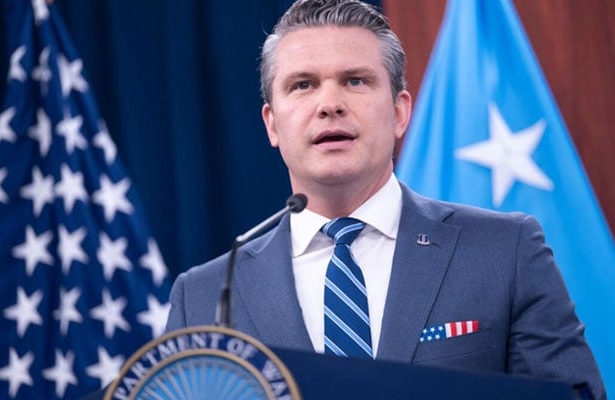
US Secretary of Defense Pete Hegseth said during a press briefing that the maritime restrictions imposed on Iranian ports would remain in place “for as long as required,” underscoring Washington’s hardline stance amid ongoing geopolitical tensions.
He added that while diplomacy remains the preferred path, the United States is fully prepared to use military force if circumstances demand it. The remarks have intensified global concerns about a possible expansion of the conflict, even as a fragile ceasefire reportedly continues to hold.
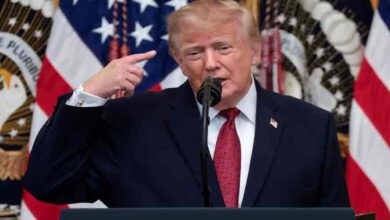
The blockade comes after President Donald Trump announced that negotiations with Iran had collapsed, leading to plans to restrict Iranian shipping activity in strategic waterways, including the Strait of Hormuz and surrounding Gulf routes.

According to US military officials, led by General Dan Caine, at least 13 vessels have already turned back after receiving warnings from American naval forces patrolling the region. Officials warned that any attempt to breach the blockade could trigger a forceful response.
Iranian authorities have strongly condemned the move, calling it a violation of international norms and a serious threat to regional stability. Tehran insists that the pressure campaign is undermining trust and making diplomatic engagement increasingly difficult.
Meanwhile, behind the scenes, diplomatic activity continues. Reports suggest that a Pakistani delegation has arrived in Tehran to explore avenues for renewed dialogue, while Washington has also indicated that backchannel communication remains open despite rising tensions.
Iranian officials argue that repeated threats and military posturing have damaged the prospects for meaningful negotiations. They claim that external pressure is pushing the region closer to instability rather than encouraging compromise.
As both sides maintain firm positions, the Gulf region remains on edge. With naval forces deployed, oil shipping routes under scrutiny, and diplomacy struggling to gain traction, analysts warn that the coming days could prove critical in determining whether tensions ease—or escalate further.
For now, the world watches closely as one of the most sensitive maritime corridors in global trade becomes the center of a deepening geopolitical standoff.