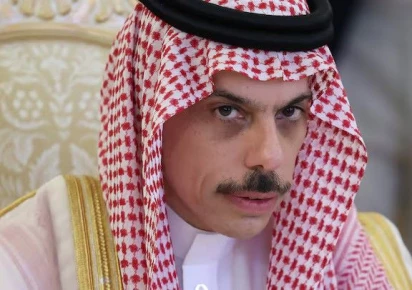

Saudi Arabia has stepped up diplomatic efforts to ease rising tensions across the Middle East, as Foreign Minister Prince Faisal bin Farhan Al Saud held a series of high-level calls with regional counterparts.
According to official statements, the Saudi minister engaged in discussions with Iranian Foreign Minister Abbas Araghchi, focusing on the urgent need to reduce hostilities and stabilise the region amid an increasingly volatile situation.
He also spoke with Bahrain’s Foreign Minister Abdullatif bin Rashid Al-Zayani and Qatar’s Prime Minister and Foreign Minister Mohammed bin Abdulrahman Al Thani. The talks centered on regional developments, strengthening cooperation, and ensuring collective security.
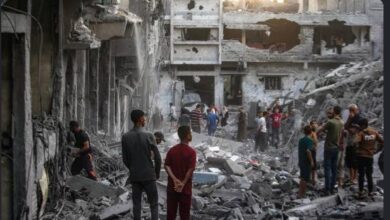
These diplomatic engagements come at a critical time, as tensions continue to escalate following the ongoing conflict involving the United States, Israel, and Iran, which has resulted in significant civilian casualties, particularly in Iran and Lebanon.
Meanwhile, Abbas Araghchi, currently on a diplomatic tour, criticised the United States for the collapse of recent negotiations, blaming what he described as “excessive demands” and an ineffective approach. Despite setbacks, he stressed the importance of continued dialogue and regional cooperation.
Araghchi also highlighted consultations with Pakistan and praised Oman’s role during the conflict, calling for closer coordination among Gulf nations, especially those bordering the strategically vital Strait of Hormuz.
In parallel, behind-the-scenes diplomacy is intensifying across the region. Although direct talks between Iran and the United States remain unlikely in the near term, backchannel efforts are gaining momentum to find a long-term resolution to the conflict.
Sources revealed that upon returning to Islamabad from Muscat, Araghchi held key meetings with Pakistani leadership, including Army Chief Asim Munir, to discuss de-escalation strategies.
Iran has also reportedly shared written messages outlining its stance on critical issues, including its nuclear policy and regional security concerns, signaling a continued commitment to diplomatic engagement despite ongoing tensions.