
When Admiral Samuel Paparo, commander of US Indo-Pacific Command, testified before the Senate Armed Services Committee, he delivered a paradigm-shifting statement: Bitcoin’s Proof-of-Work protocol is more than a financial asset; it is a critical computer science tool for national power projection.
ADM Paparo outlined three ways PoW acts as a cyber defence capability: one, it imposes meaningful computational and physical costs on adversaries attempting to disrupt networks. Two, it enables secure, peer-to-peer, zero-trust communication. And, three, it offers immense potential for strategic deterrence and resilience.
As he noted: “Anything that supports all instruments of national power… is to the good.”
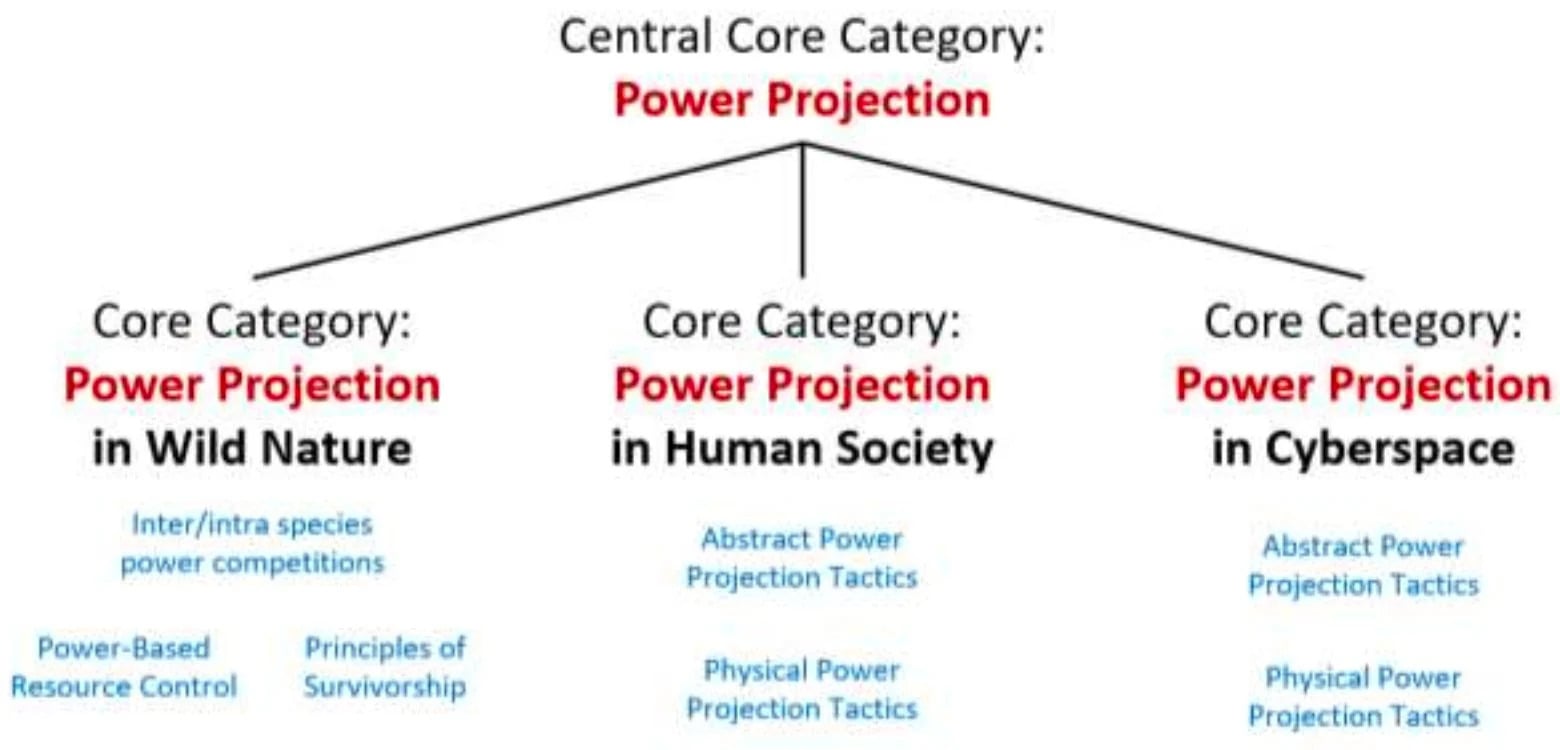
The pioneer behind this shift in military thinking is Major Jason Lowery, author of the groundbreaking thesis Softwar, who now serves as Special Assistant to ADM Paparo. He introduced a revolutionary concept: instead of relying solely on traditional software logic, PoW secures critical systems by imposing real-world energy costs. It allows us to protect our most important bits with watts.
For too long, policymakers and regulators have viewed virtual assets strictly through the lens of economics. If we only view Bitcoin as a financial tool, we miss a critical evolution in military technology. Here is why we need to start talking about ‘Softwar’.
Historically, sovereign nations have secured their borders and property through physical power. It is a ‘zero trust’ system: you don’t trust your adversary; you deter them with physical capability.
Today, our most critical infrastructure, economic data and communications live in cyberspace. Yet, cyberspace is built entirely on ‘abstract power’ rules, software logic and permissions.
As highlighted by the strategic concerns driving ADM Paparo’s testimony, because launching a cyberattack costs almost zero physical energy, digital borders remain inherently vulnerable to hostile actors, leaving cyberspace as an undefended flank.
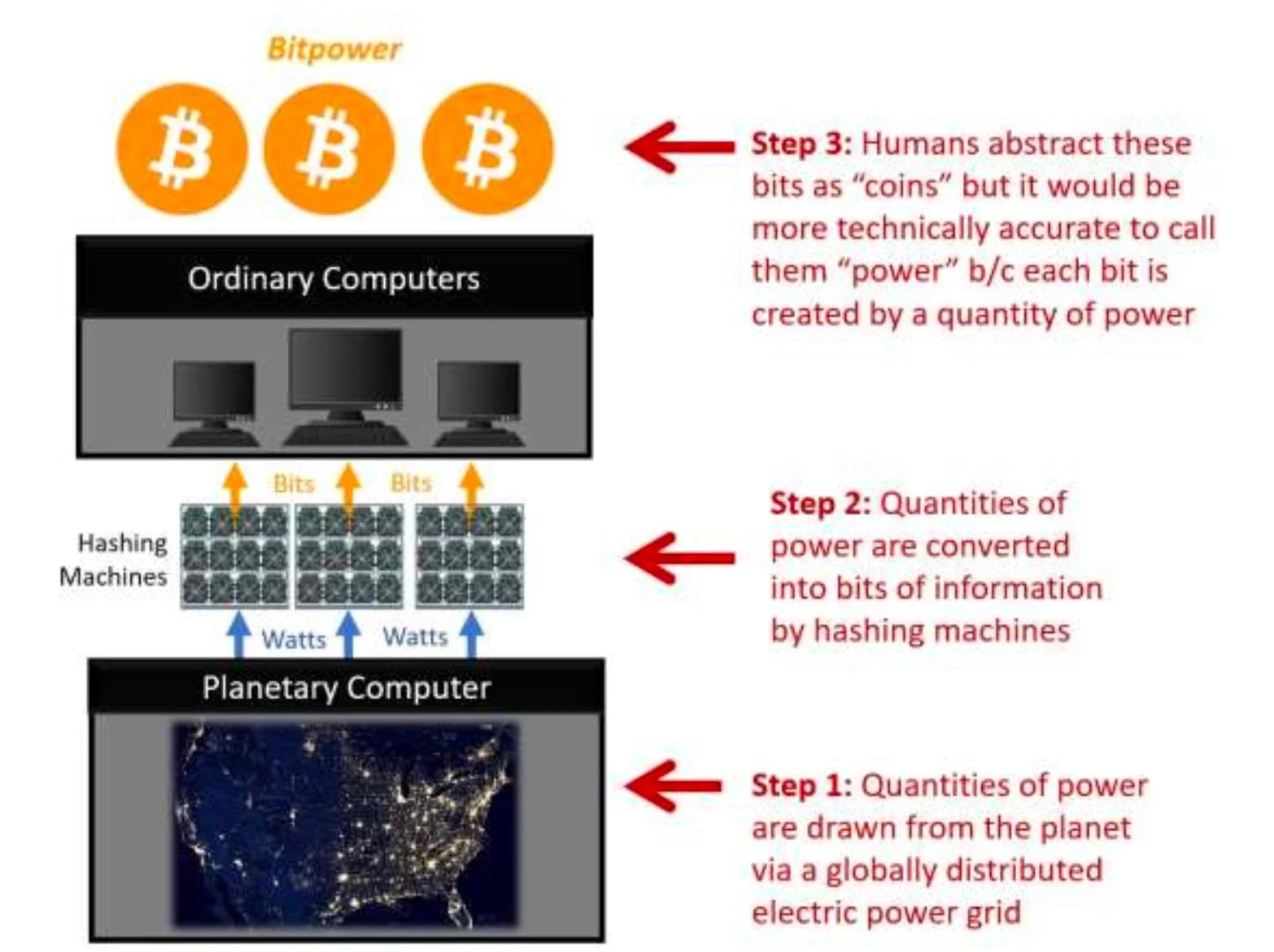
This is where the paradigm must shift. Bitcoin’s underlying technology, Proof-of-Work, is not a waste of energy; it is a bridge between the physical and digital worlds.
It forces computers to consume massive amounts of real-world physical energy (electricity) to process and secure data. By tying digital data to physical electricity, it creates an impenetrable digital fortress. If an adversary wants to hack, alter, or attack this network, they cannot just use clever software; they must generate more electrical power than the rest of the network combined.
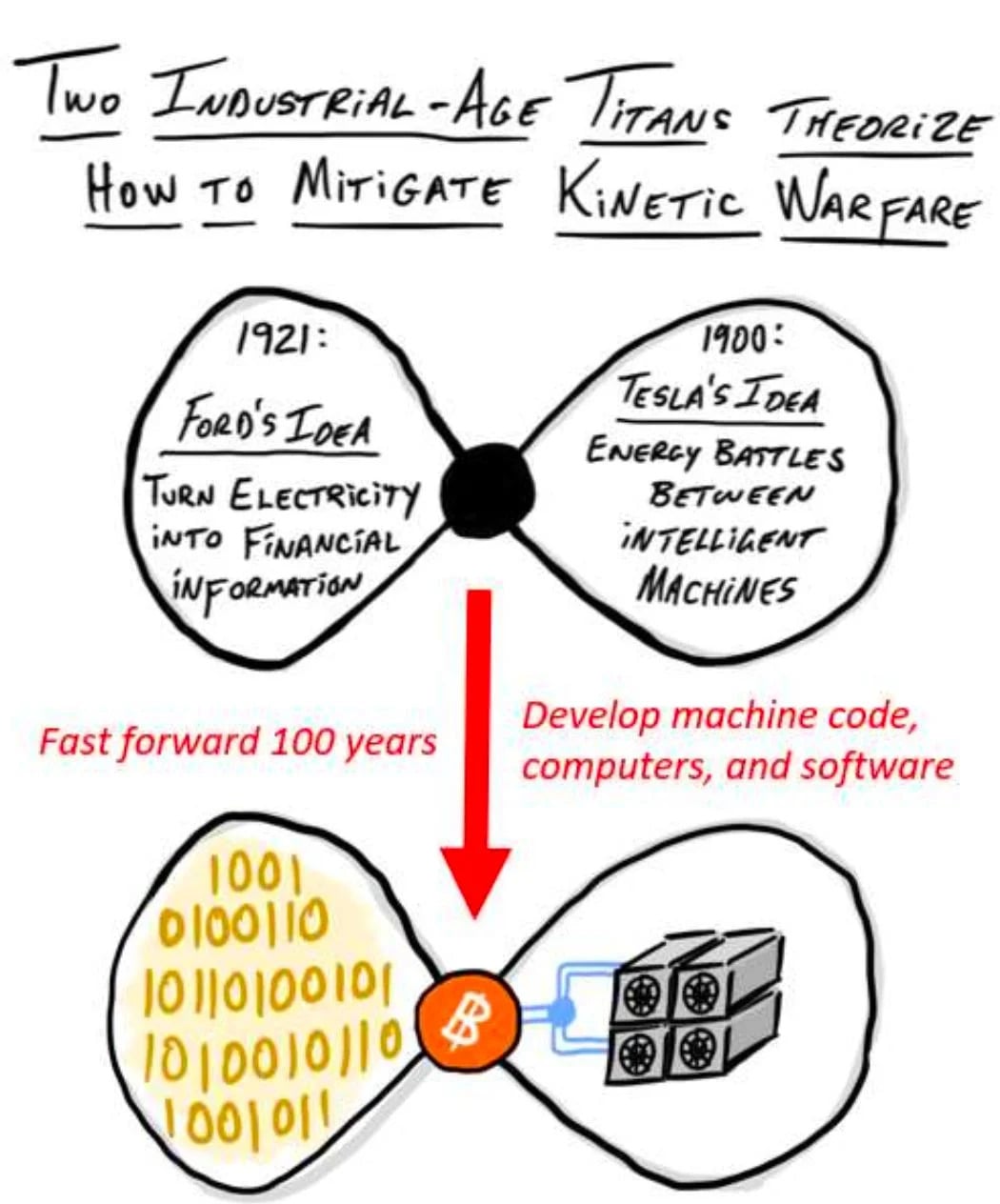
We are entering an era of non-lethal, bloodless power projection. Kinetic warfare uses physical energy (missiles, tanks) to impose a nation’s will. Electronic warfare (Softwar) uses electrical computing power to secure digital assets and make it physically impossible for an adversary to attack you in cyberspace.
This emerging framework signals a necessary evolution in how nations approach regulation and national security. The global focus is shifting from merely policing this technology for financial crime to actively harnessing it as a tool for digital sovereignty. Just as a nation maintains a conventional military to protect its physical borders, the sovereign nations of the 21st century will need to develop ‘Hash Forces’, massive computing infrastructure dedicated to projecting a defensive ‘electro-cyber dome’ over our digital assets.
Those who recognise this technology as critical national defence infrastructure will secure their sovereignty in the digital age. Those who continue to dismiss it as ‘just crypto’ risk leaving their nations digitally defenceless.
The future of national security is not just in the air, on land or at sea. It is on the grid.