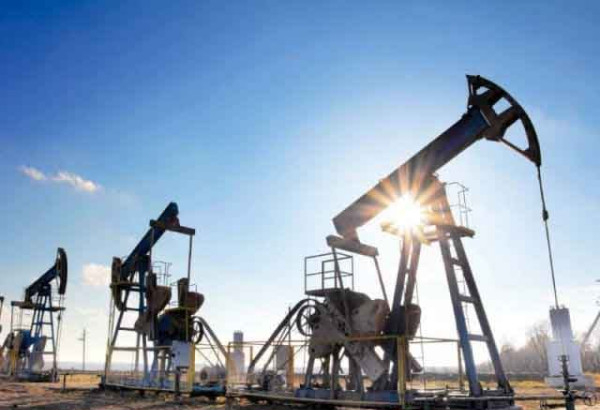

International oil markets continued their upward momentum on Thursday, driven by mounting concerns that crude supplies from the Middle East could remain constrained for an extended period. The surge comes amid a prolonged deadlock in diplomatic efforts to end the ongoing conflict involving the United States, Israel, and Iran.
Benchmark Brent crude for June delivery climbed by $1.91, or 1.62%, reaching $119.94 per barrel in early trading. The contract has now posted gains for nine consecutive sessions and is set to expire later in the day. Meanwhile, the more actively traded July contract rose by 94 cents, or 0.85%, to $111.38 per barrel, building on strong gains from the previous session.
In the United States, West Texas Intermediate (WTI) crude futures for June delivery also advanced, rising 63 cents, or 0.59%, to $107.51 per barrel. The U.S. benchmark has recorded gains in eight of the past nine sessions, reflecting sustained bullish sentiment in the market.
Supply Disruptions Fuel Market Anxiety
Investor concerns have intensified following reports that U.S. President Donald Trump held discussions with major oil companies regarding contingency plans to manage the potential fallout of a prolonged blockade targeting Iranian ports. The move has raised alarms about a significant and lasting disruption to global oil flows.
Market analysts warn that prospects for a swift resolution to the conflict remain bleak. The continued closure of the strategically vital Strait of Hormuz—a narrow passage through which a substantial portion of the world’s oil supply is transported—has further exacerbated supply concerns.
Shipping activity in the region remains severely restricted, with Iran reportedly allowing only limited domestic traffic while blocking most international vessels. The disruption follows weeks of escalating hostilities, including airstrikes and maritime restrictions that have significantly impacted global energy logistics.
OPEC+ Faces New Challenges
On the supply front, the OPEC+ alliance is expected to deliberate a modest production increase of approximately 188,000 barrels per day at its upcoming meeting. However, the group’s ability to stabilize markets may be tested by recent developments.
A key shift in the oil landscape is the decision by the Organization of the Petroleum Exporting Countries member United Arab Emirates to exit the alliance effective May 1. The departure is seen as a potential setback for coordinated output policies, though analysts believe its short-term impact on global supply may be limited.
Energy research firms suggest that Gulf producers, including the UAE, could take several months to restore output to pre-conflict levels due to infrastructure constraints and ongoing instability in the region.