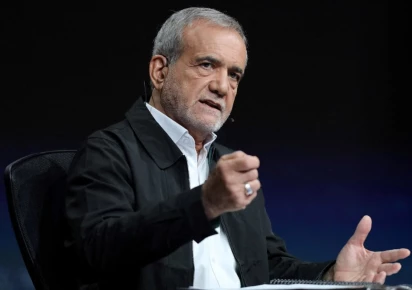

Iranian President Masoud Pezeshkian has blamed the United States and Israel for rising insecurity in the Strait of Hormuz, defending Tehran’s actions in the strategic waterway amid ongoing tensions with Washington.
In a statement marking National Persian Gulf Day, Pezeshkian described the Strait of Hormuz as a symbol of Iranian resistance. He said responsibility for instability in the region lies with the United States and Israel, which he referred to as the “Zionist regime.” He added that Iran would continue to protect what it considers its national security interests in the vital maritime route.
The remarks come as the United States pushes diplomatic efforts to restore shipping through the Strait of Hormuz, a key global energy corridor that has seen severe disruption due to the ongoing Iran-US standoff.
According to international reports, the Trump administration is seeking to form a new global coalition aimed at reopening the waterway and ensuring freedom of navigation. The proposed initiative, reportedly called the “Maritime Freedom Construct,” would involve coordinated diplomatic pressure, intelligence sharing, and sanctions enforcement to stabilize maritime traffic.
A leaked diplomatic cable suggests US officials have urged allied countries to join the effort, arguing that collective action is needed to protect global trade and energy supplies. However, despite Washington’s push, shipping through the Strait remains largely disrupted.
Iran, meanwhile, continues to resist international pressure, with officials insisting that attempts to force open the waterway will fail. A senior military adviser to Iran’s leadership warned that Tehran has multiple options to bypass restrictions and may respond forcefully if pressure continues.
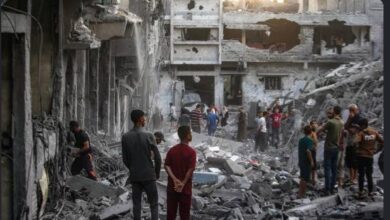
Tensions in the region have already led to significant military escalation. The United States and Israel launched coordinated strikes on Iran earlier this year, triggering retaliation from Tehran and further destabilizing the region. Thousands of casualties have been reported since the conflict began.
A ceasefire was later brokered with the involvement of regional mediators, including Pakistan, but the situation remains fragile. Although the truce was extended, underlying disputes over Iran’s nuclear programme and control of key shipping routes continue to block a lasting agreement.