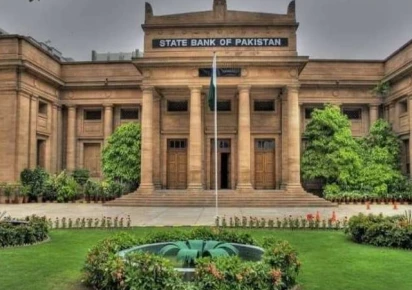

KARACHI: Pakistan’s foreign exchange reserves held by the State Bank of Pakistan (SBP) increased by $730 million during the week ending April 24, 2026, mainly due to inflows from Eurobond proceeds.
According to official data released on Thursday, the central bank’s reserves climbed to $15.83 billion, improving the country’s external liquidity position after recent pressure. The overall liquid foreign reserves of the country stood at $21.27 billion, including $5.44 billion held by commercial banks.
The increase comes after a period of strain when the United Arab Emirates reportedly withdrew some of its holdings amid shifting geopolitical developments in the Middle East. The fresh inflow has provided relief to the country’s financial outlook.
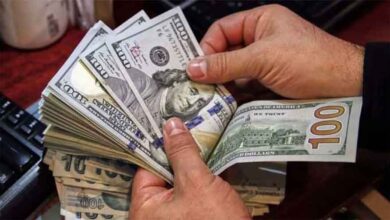
In the currency market, the Pakistani rupee showed slight improvement. It gained Rs0.03 to close at 278.77 against the US dollar in the inter-bank market, compared to 278.80 a day earlier.
Meanwhile, gold prices moved sharply higher in the local market, following gains in the international market. The price of gold per tola surged by Rs4,400 to reach Rs483,962, while the rate for 10 grams increased by Rs3,772 to Rs414,919, according to the All-Pakistan Gems and Jewellers Sarafa Association.
The rise came after a steep drop in the previous session, highlighting continued volatility in bullion prices. Silver prices also increased by Rs55 per tola, settling at Rs7,821.
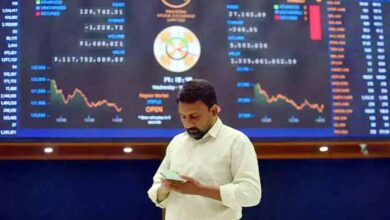
In the global market, spot gold rose 1.6% to $4,615.50 per ounce, recovering from a recent one-month low. Analysts attributed the rebound to a weaker US dollar and softer oil prices, which made gold more attractive to investors.
Market experts said the near-term direction of gold will depend on whether it remains above the $4,600 level. If prices stay firm, further gains may follow, while support is seen around $4,450 in case of another pullback.
Financial analysts also noted that ongoing tensions in the Middle East continue to influence global markets, with concerns that rising conflict could fuel inflation and complicate interest rate decisions worldwide.