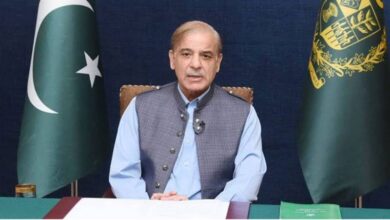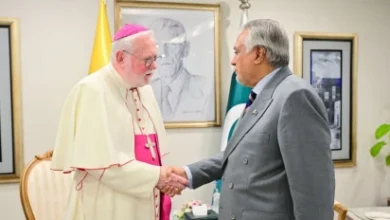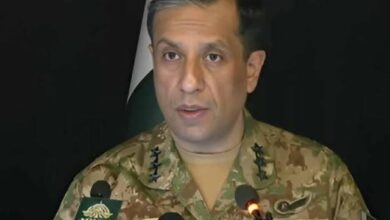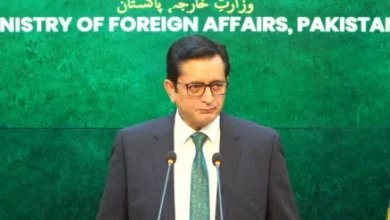

TEHRAN/ISLAMABAD: Iran has submitted a new proposal through Pakistani mediators, according to a diplomatic source, as efforts to defuse a widening confrontation with the United States and Israel remain deadlocked despite a fragile ceasefire.
The move comes at a moment of heightened volatility across the region, with Tehran, Washington and Tel Aviv continuing to exchange warnings while signalling that the prospect of renewed conflict remains firmly on the table. Pakistani officials have been engaged in quiet mediation, seeking to prevent escalation as indirect exchanges between Iran and the United States continue.
Two months into the conflict that began with US and Israeli airstrikes on February 28, the situation has settled into an uneasy standoff. A ceasefire announced in early April has largely halted direct exchanges of fire between US and Iranian forces, yet it has failed to resolve core disputes, particularly over control of the Strait of Hormuz.
The strategic waterway remains effectively closed, with Iran maintaining restrictions in response to a US naval blockade targeting its oil exports. The disruption has choked off roughly 20 per cent of global oil and gas supplies, sending energy markets into turmoil. Benchmark Brent crude briefly surged past $126 per barrel before easing to around $114, reflecting market sensitivity to any sign of escalation or de-escalation.
Tehran has issued stark warnings about the consequences of renewed military action. A senior official in Iran’s Revolutionary Guards said any fresh US attack, even if limited, would trigger “long and painful strikes” on American positions across the region. Iranian military officials have also warned that US naval assets could face similar retaliation to earlier attacks on regional bases.
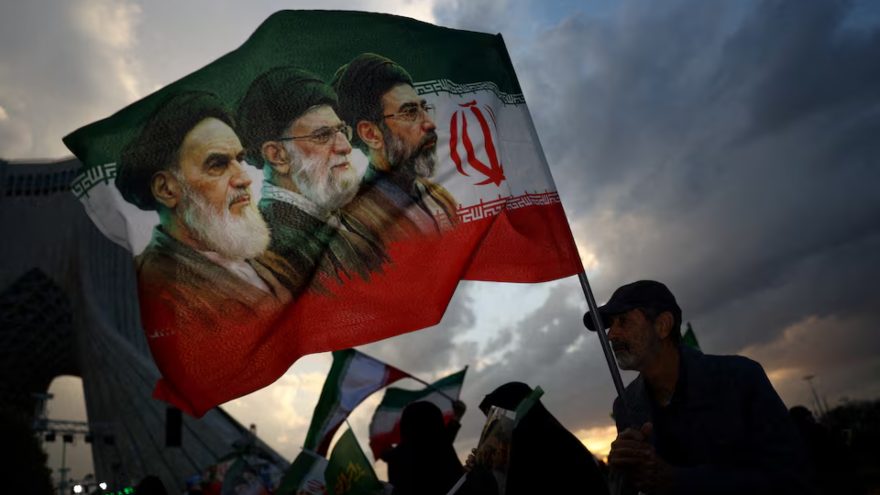
Iran’s leadership has reinforced its position on the Strait of Hormuz. Supreme Leader Ayatollah Mojtaba Khamenei said Tehran would eliminate what he described as “the enemies’ abuses of the waterway”, signalling continued intent to assert control over the critical shipping route.
In Washington, President Donald Trump was scheduled to receive a briefing on potential military options, including plans for fresh strikes aimed at forcing Iran back to the negotiating table. Proposals under consideration reportedly include expanding the naval blockade or even deploying ground forces to secure parts of the strait to reopen it to commercial shipping.
At the same time, the United States has been pressing allies to support a proposed maritime coalition intended to ensure freedom of navigation through the Gulf. European powers including Britain and France have discussed possible contributions but have indicated that any such involvement would likely depend on a broader cessation of hostilities.
Despite the military planning, the Trump administration has argued that the current ceasefire effectively “terminated” hostilities for the purposes of US war powers legislation. Under the 1973 War Powers Resolution, the president is required to end military engagement within 60 days or seek congressional authorisation. The deadline falls on May 1, but officials suggest it may pass without altering the trajectory of the conflict.
The legal interpretation has been disputed by Democratic lawmakers, who argue that the ceasefire does not negate the requirement for congressional approval. Political divisions in Washington have deepened, with repeated attempts by Democrats to force a vote on ending the conflict blocked by Republican majorities.
Meanwhile, indirect diplomatic efforts continue. Iranian Foreign Ministry spokesman Esmaeil Baghaei cautioned against expectations of a quick resolution, stating that reaching an agreement in a short timeframe was unrealistic regardless of who mediates. The new proposal delivered through Pakistan appears to be part of these ongoing, incremental efforts to find a path forward.
The broader regional picture remains fragile. Iran has linked aspects of the ceasefire to developments in Lebanon, where Israeli strikes and a tenuous truce continue to shape the security environment. Iranian officials have indicated that halting Israeli actions there remains a key component of any wider understanding with Washington.
Signs of military tension persist on the ground. Iranian media reported air defence activity in Tehran, including engagements with drones and surveillance aircraft, highlighting the continued risk of escalation despite the ceasefire.
Neighbouring states have begun taking precautionary measures. The United Arab Emirates has barred its citizens from travelling to Iran, Lebanon and Iraq, urging those currently in those countries to return home immediately due to the evolving security situation.
The economic impact of the crisis is already being felt globally. United Nations Secretary-General Antonio Guterres warned that prolonged disruption to the Strait of Hormuz could slow global growth, drive up inflation and push tens of millions more people into poverty and hunger. The longer the blockade persists, he said, the harder it will be to reverse the damage.
While Iran’s economy has been strained by the conflict and the US blockade, analysts suggest Tehran retains the capacity to endure a prolonged standoff. Its continued control over the strait provides both leverage and a means of exerting pressure on global markets.