
The federal government on Monday extended its austerity drive and fuel conservation measures until June 13 amid uncertainty over the Middle East conflict, as diplomatic talks between the United States and Iran remain deadlocked.
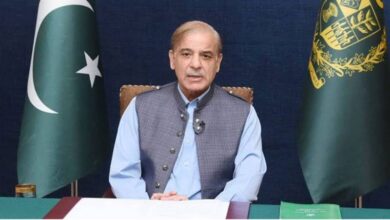
The Cabinet Division issued a formal notification after Prime Minister Shehbaz Sharif approved the extension on the recommendations of the implementation committee.
According to the notification, a 50% reduction in fuel supply for official vehicles will remain in place during the extended period.
The government has also decided to keep 60% of official vehicles off the roads as part of the ongoing austerity measures.
PM Shehbaz first introduced the austerity plan on March 9 in a televised address, days after the government hiked the prices of petrol and diesel by 20%.
Fuel prices recorded a sharp increase in the country following oil supply disruption from the closing of the Strait of Hormuz, a key route for oil and gas shipping.
Iran closed the strait in response to joint attacks by the US and Israel, which began on February 28 and ended on April 8 following a Pakistan-mediated ceasefire.
Despite the extension in the ceasefire, the two sides remain at odds over proposals for a permanent end to the war, particularly over their respective blockades of Hormuz.
In the March 9 televised address, PM Shehbaz said that the entire region was gripped by Middle East conflict and stressed that Pakistan was pursuing diplomatic efforts to help defuse the crisis.
He then announced the austerity plan applicable across federal government institutions, including ministries, departments, autonomous bodies, state-owned enterprises, the legislature, defence organisations and the judiciary.
Apart from the fuel cut, the plan reduced government offices’ operations to a four-day workweek, though the banking sector and essential services were exempt.
Federal and provincial government departments were required to reduce non-essential expenditure by 20% during the final quarter of the current fiscal year.
The plan imposed a ban on official foreign visits by ministers, parliamentarians, and government officials, except for obligatory trips.
Up to 50% of government employees were to work from home on alternate days, except those in essential services.
The measures also included mandatory economy-class travel for officials, and a shift from physical to virtual meetings to cut costs, among others.