
Pakistan’s heavy dependence on imported oil has once again come under the spotlight as rising tensions in the Gulf threaten to trigger another economic storm for the cash-strapped country.
With fears growing over disruptions in the Strait of Hormuz — one of the world’s most critical oil shipping routes — global crude prices are climbing rapidly. For Pakistan, where fuel imports remain the backbone of the energy system, the consequences could be severe: higher inflation, pressure on the rupee, rising electricity costs and renewed stress on already fragile public finances.
Economists warn that the Gulf conflict is not merely a foreign policy concern for Islamabad. It is a direct threat to economic stability that could affect millions of ordinary Pakistanis already struggling with rising living costs.
Pakistan spends nearly $20 billion annually on petroleum imports. Analysts estimate that every $5 increase in global oil prices adds roughly $1 billion to the country’s import bill. That additional burden quickly filters through the economy, driving up transport fares, electricity tariffs and food prices.
For households across the country, the impact is immediate. Commuters pay more for travel, factories face rising production costs and businesses pass those expenses on to consumers. Experts say even a modest jump in oil prices can significantly accelerate inflation in Pakistan’s import-dependent economy.
The pressure does not stop there. A widening import bill weakens the rupee, increases reliance on foreign borrowing and complicates negotiations with international lenders such as the International Monetary Fund (IMF). Higher fuel costs also deepen Pakistan’s chronic circular debt crisis in the power sector, leaving the government with fewer resources for development spending.
Financial experts believe Pakistan must avoid repeating past mistakes by introducing blanket fuel subsidies. While politically popular, such measures often create massive fiscal deficits and worsen long-term economic problems.
Instead, economists are urging targeted relief measures aimed at protecting vulnerable communities. Programmes such as direct cash assistance through the Benazir Income Support Programme (BISP), support for public transport operators and limited relief for agriculture could help reduce the inflationary impact without putting excessive pressure on state finances.
At the same time, policymakers are being encouraged to focus on energy conservation. Measures such as reduced government office hours, early market closures and promotion of energy-efficient systems could help lower fuel consumption and reduce import costs.
However, experts say temporary solutions alone will not solve Pakistan’s deeper energy vulnerability.
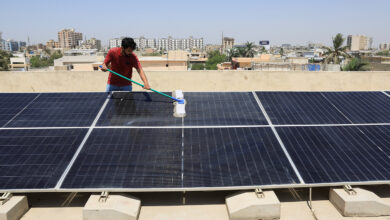
The current crisis has renewed calls for a long-term shift toward renewable energy. Pakistan possesses vast untapped solar and wind resources, yet imported fossil fuels continue to dominate the national energy mix. Analysts argue that investing aggressively in renewable power could reduce import dependence, stabilise electricity prices and attract foreign investment.
Transport electrification is also gaining attention. Electric buses, motorcycles and locally manufactured EVs are increasingly being viewed as essential tools for reducing oil consumption in the coming decade.
Meanwhile, plans to expand domestic refining capacity — including proposed Gulf-backed investments in Gwadar — are being discussed as a way to strengthen energy security and reduce reliance on costly refined petroleum imports.
Experts also stress the importance of building a strategic petroleum reserve to shield Pakistan from future global supply shocks.
As the Gulf crisis intensifies, economists say Pakistan faces a defining moment. Without structural reforms and a major shift in energy policy, every geopolitical shock in the Middle East will continue to expose the country’s economic vulnerabilities and keep millions at risk from rising prices and financial uncertainty.