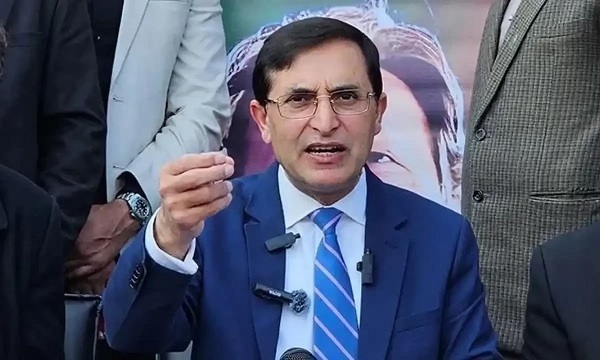

ISLAMABAD: A coalition of opposition parties, including supporters of jailed former prime minister Imran Khan, has rejected the outcome of the Gilgit-Baltistan elections, alleging widespread electoral manipulation and vowing to launch a protest movement against the results.
The controversy emerged after unofficial results indicated that the Pakistan Peoples Party had secured a commanding lead in the regional polls, with the party ahead in nearly half of the contested constituencies. Rival parties, including the Pakistan Tehreek-e-Insaf (PTI) and its allies, questioned the credibility of the process and accused authorities of influencing the outcome.
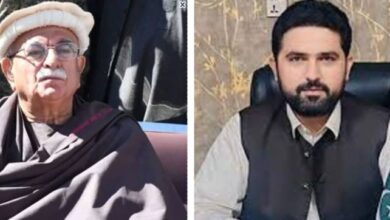
Speaking at a news conference in Islamabad, PTI Chairman Barrister Gohar Ali Khan described the elections as neither free nor fair. He claimed that his party had won several constituencies but was denied official recognition through what he termed a coordinated effort to sideline PTI candidates. The party announced plans to observe a symbolic “black day” during the swearing-in of the new assembly and said it would publish a detailed report outlining alleged irregularities.
Opposition leaders argued that delays in announcing results and the selective release of election data had fueled concerns about transparency. They also accused officials of creating an uneven political environment through administrative pressure and interference in the electoral process.
Meanwhile, the opposition alliance known as Tehreek Tahaffuz Ayeen Pakistan (TTAP) convened a high-level meeting under the leadership of Mahmood Khan Achakzai. Senior opposition figures, including Asad Qaiser and Mustafa Nawaz Khokhar, attended the consultation.
Following the meeting, the alliance issued a joint declaration rejecting the election results and alleging that opposition candidates had been systematically marginalized throughout the campaign and voting process. The statement compared the Gilgit-Baltistan polls to previous disputed elections, claiming that public opinion had been undermined through manipulation and political engineering.
Opposition leaders warned that weakening public trust in democratic institutions could have long-term consequences for political stability. They maintained that genuine public support cannot be manufactured and insisted that any authority gained through disputed means would ultimately lack legitimacy.
Despite the allegations, election authorities have yet to issue a formal response to the opposition’s claims, while political tensions continue to rise in the aftermath of the closely watched Gilgit-Baltistan elections.