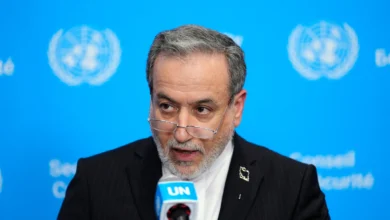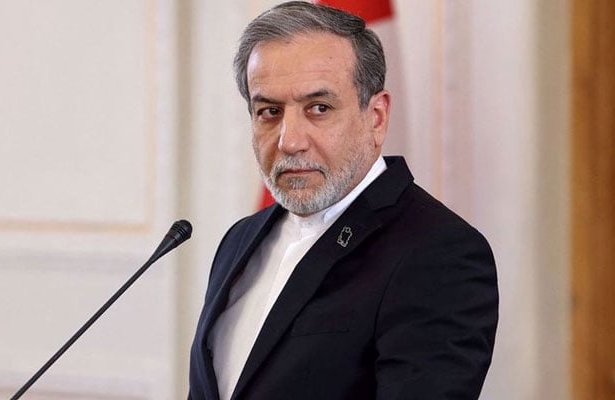

Iranian Foreign Minister Abbas Araghchi has warned that Iran will not move forward with negotiations on a final agreement with the United States unless Washington stops making threats and honors its previous commitments.
Speaking about the Iran-U.S. memorandum of understanding (MoU), Araghchi stressed that continued pressure and intimidation would only make diplomatic progress more difficult. He pointed to Clause 13 of the memorandum, saying it clearly states that negotiations on a final agreement cannot begin while threats continue. He urged the United States to respect the commitments it has already signed instead of pursuing policies that undermine trust.
Araghchi also dismissed the idea that external pressure could influence Iran’s position. He said the Iranian people and the country’s armed forces remain determined and will not change their stance because of threats. According to him, meaningful diplomacy requires mutual respect and adherence to agreed principles rather than coercion.
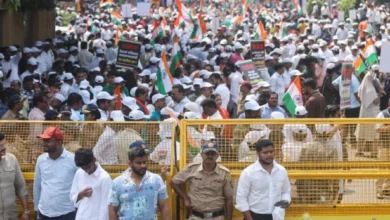
The foreign minister also referred to the large public gathering held to honor Iran’s Supreme Leader, Ayatollah Ali Khamenei. He said millions of Iranians participated in the ceremony, describing the event as a demonstration of national unity and support for the country’s leadership during a period of heightened regional tensions.
Meanwhile, Iranian Parliament Speaker and chief negotiator Mohammad Bagher Ghalibaf commented on the implementation of the Islamabad Memorandum of Understanding. During a meeting in Tehran with Hamas Leadership Council Chairman Mohammad Darwish, Ghalibaf acknowledged that putting the agreement into practice would be challenging. However, he expressed confidence that successful implementation remains possible if all parties remain committed to the agreed framework.
Despite his cautious optimism, Ghalibaf emphasized that the memorandum has not resolved the deep political disagreements between Iran and the United States. He said significant differences still exist, particularly over regional security and broader foreign policy issues. His remarks highlighted Tehran’s view that any lasting agreement will require trust, respect for commitments, and a genuine willingness from all sides to address longstanding disputes through constructive dialogue rather than pressure.