
Once upon a time, people whispered about cancer. Just the word itself made families nervous, like even saying it out loud would give it more power. But things changed. Medicine improved, folks started having real conversations about it, and in the end, people realized that pretending something doesn’t exist never cures it.
But somehow, we’re still keeping mental health locked up in that silence.
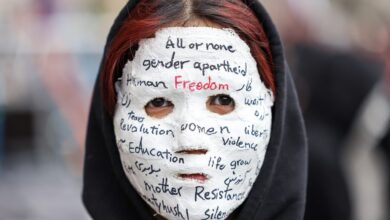
In Pakistan, we tell people to “be strong” when all they really need is someone who actually listens. We brush off anxiety as simple overthinking, label depression as laziness, and write off panic attacks as weakness, or even a lack of faith. Instead of offering help, we worry about what the neighbours will think. It’s wild if you think about it, keeping up good appearances matters more than someone’s life.
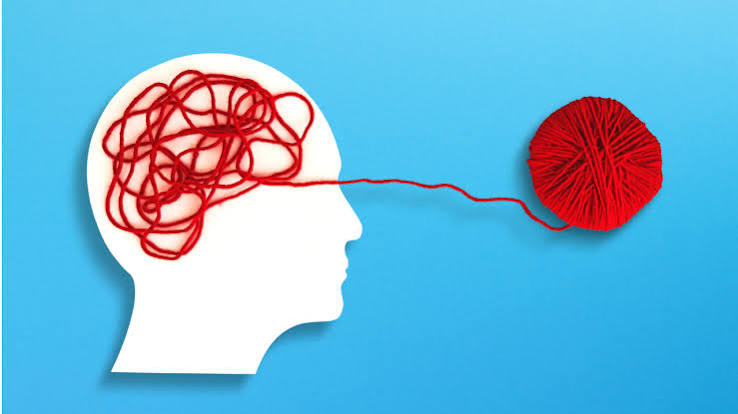
The real story is a lot harder to face than we’d like to admit. Mental illness doesn’t kick down the door. Most of the time, it shows up quietly. It’s one sleepless night turning into months without real rest. It’s that student who just stops caring about anything he once loved. The mom who gets through the day with a smile, but her tears come out only after everyone’s asleep. The businessman who keeps growing his company but feels like he’s crumbling inside.
You just can’t spot suffering by looking at someone’s face. According to the latest World Health Organization numbers, almost one in seven people on Earth have some kind of mental disorder. Anxiety and depression top the list, over 600 million people deal with them. More than a billion people live with mental health problems now; they’re some of the leading causes of long-term disability around the globe. Just depression and anxiety, together, cost us around a trillion dollars in lost productivity every year.
Those are massive numbers. But statistics have a way of hiding the pain behind them.
Each number is a person who’s stopped laughing, who skips family gatherings, who can barely get out of bed, someone who’s fighting a war in silence just to look “normal” to everyone else.
Pakistan has all the same problems, sometimes turned up even higher. Economic pressures, joblessness, rising prices, politics, crazy academic expectations, social media, family stuff, and this constant feeling that the future is slipping away; all of it piles up. A lot of people just carry the weight in silence.
Young people, in particular, seem to carry the heaviest load.
Parents dream about their kids becoming doctors, engineers, civil servants, or the next big entrepreneur. Ambition isn’t bad. The trouble is, sometimes, it feels like success is the only thing that counts. Kids who are scared to let their parents down start hiding how they feel. Failure turns into shame, not something you learn from. After a while, silence becomes second nature.
Social media doesn’t help, either. Every swipe shows you the highlight reel of other people’s lives, dream vacations, picture-perfect families, career wins, endless happiness. We look at these snapshots, measure ourselves against them, and wonder why our own lives never seem to stack up. But even those smiling faces could be fighting anxiety, loneliness, or depression.
We’re more connected than ever, thanks to technology. Yet loneliness still spreads like a disease.
And then there’s another truth we barely talk about.
Men are raised to believe showing feelings is weak. Don’t cry, don’t ask for help, fix your problems yourself. That’s what they hear growing up. So, they keep working, no matter how much it hurts. They stay silent, thinking nobody cares or that speaking up will somehow make them less.
But that’s just not true. If someone gets diabetes, seeing a doctor is smart. Chest pain? Of course, you’d visit a heart specialist. But somehow, talking to a psychologist or psychiatrist is still treated like a dirty secret. That just makes no sense. Your brain’s an organ, like any other. It can get sick. It deserves care.
Sometimes people throw faith into the mix, too, but not always in a helpful way. Prayer and faith can bring a lot of comfort. They give people strength, especially when things fall apart. But faith and medicine aren’t enemies. When someone gets pneumonia, we don’t tell them to just pray, we make sure they take antibiotics. If it’s heart disease, nobody says skip treatment. Mental illness should be seen the same way.
Caring for someone shouldn’t have to fight against science. Companies spend buckets of money on new buildings, tech, and growth plans. But when it comes to the people who are supposed to make all that happen, their mental health is often ignored. Everyone praises working late and burning out. You’re seen as weak or unreliable if you admit you’re struggling.
Sooner or later, the cost shows up, lost productivity, fewer creative ideas, broken relationships. Families pay for it long after the workday ends.
Mental health isn’t just a medical problem. It’s about the economy, education, society itself.
You can’t act like emotional suffering is some private issue when it’s become everyone’s problem.
Governments need to take mental health seriously. Schools have to teach kids how to handle emotions, not just do math. Universities must have real counsellors, not just ones who tick a box. Employers need to understand that healthy minds build strong businesses. Everyone including religious leaders, teachers, journalists, community elders should play a part in turning stigma into understanding.
But families really are the first line of defence. Sometimes the most important thing you can ask isn’t complicated at all. “Are you really okay?” Then, just wait. Really listen.
Most people don’t want advice or lectures. They just want to know someone’s truly there, ready to listen with no judgment.
Someday, history will remember this century for wild advances in technology, AI, and medicine. But none of that will matter much if we keep letting millions suffer quietly because they’re too ashamed to ask for help.
With mental illness, the worst part isn’t always the sickness itself.
Too often, it’s the silence that shrouds it. Silence protects stigma. But real conversation? That protects people. It’s about time we choose that instead.