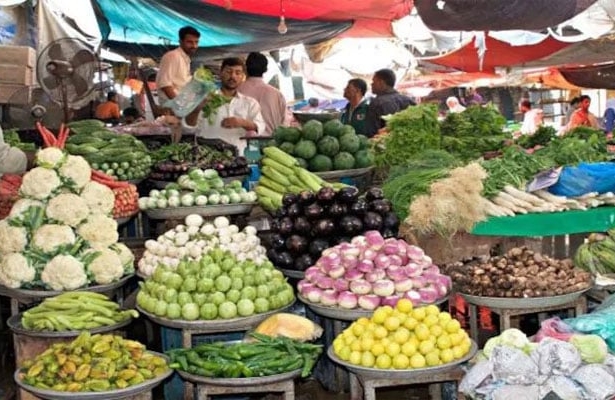

Pakistan’s Federal Bureau of Statistics has released its latest weekly inflation report, highlighting mixed price trends across essential commodities. According to the report, the prices of several daily-use items increased during the past week, while a smaller number of products became cheaper and many others remained unchanged.
The report states that out of the total essential commodities monitored, the prices of 22 items increased, eight items recorded a decline, and 21 items remained stable over the past week. These fluctuations reflect the continued volatility in the country’s consumer market, affecting household budgets and the cost of living.
Among the items that experienced the most noticeable price increases, potatoes became 3.94 percent more expensive, while the price of chicken rose by 3.70 percent compared with the previous week. These are two of the most commonly consumed food items in Pakistan, meaning the increase is likely to have a direct impact on consumers across the country.
The report also revealed that onion prices increased by 3.54 percent during the week. Meanwhile, the price of wheat flour, a staple food for millions of Pakistanis, registered a 1.61 percent increase, adding further pressure on household expenses. Rising flour prices are particularly significant because wheat-based products form an essential part of the daily diet for most families.
In addition to these commodities, the prices of eggs, beef, and fresh milk also recorded increases during the week. Although the report did not specify the exact percentage increase for these items, their higher prices contribute to the overall rise in food costs, making essential nutrition more expensive for consumers.
Despite the increase in several food items, the report also highlighted a number of encouraging developments. Tomato prices declined sharply by 23.3 percent, making them one of the biggest contributors to lower food costs during the week. Similarly, the price of mung lentils fell by 2.15 percent, while masoor (red lentils) became 0.52 percent cheaper. These reductions may provide some relief to households by lowering the cost of certain commonly used food ingredients.
The weekly report further noted a decline in energy prices. According to the Federal Bureau of Statistics, the prices of petrol, diesel, liquefied petroleum gas (LPG), and sugar also decreased during the reporting period. Lower fuel prices could help reduce transportation costs, while cheaper sugar may offer modest relief to consumers and businesses alike.
Overall, the latest weekly inflation report presents a mixed picture of Pakistan’s retail market. Although significant reductions in the prices of tomatoes, lentils, fuel, and sugar provide some relief, increases in the prices of potatoes, chicken, onions, flour, eggs, beef, and fresh milk continue to place additional financial pressure on households. The report reflects the ongoing fluctuations in essential commodity prices and underscores the challenges consumers face in managing their daily expenses amid changing market conditions.