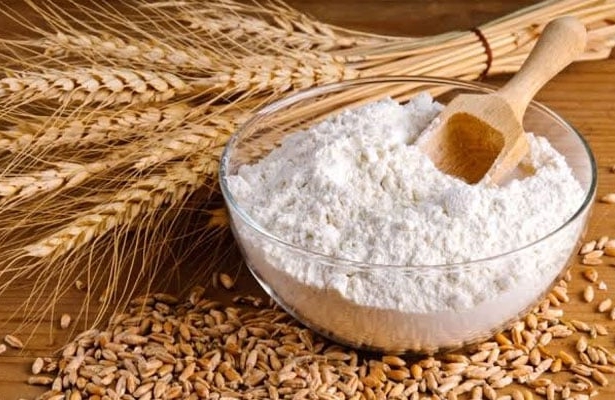

KARACHI: Consumers in Karachi are facing another increase in food prices as flour and onions have become significantly more expensive, adding to household pressure amid concerns over wheat availability and the country’s plans to import around one million tonnes of the commodity.
Karachi flour millers have increased the prices of several major flour varieties. The price of a 50-kilogram bag of No. 2.5 flour has climbed to Rs7,200, while the same quantity of maida is now being sold for Rs7,600 and fine flour for Rs7,750.
According to market sources, the latest increase ranges between Rs250 and Rs275 per 50kg bag and has largely been attributed to higher wheat prices in the open market.
The current rates represent a substantial increase compared with prices recorded at the end of April. At that time, 50kg bags of No. 2.5 flour, maida and fine flour were available for around Rs5,600, Rs5,800 and Rs6,000, respectively.
The rise in flour prices has also started affecting consumers at tandoors, where prices of commonly consumed bakery and flatbread products have been revised upward.
In some Karachi tandoors, the price of naan has increased to Rs35 from Rs30, while sheermal and taftaan are being sold for as much as Rs110 per piece, compared with Rs100 previously.
Other tandoor operators have raised naan prices from Rs25 to Rs30, while sheermal has increased from Rs90 to Rs100.
The increases have come despite official price notifications issued by the Karachi commissioner in February for different sizes and weights of chapati and tandoori naan, highlighting continued differences between notified rates and prices being charged in the market.
Flour prices rise nationwide
The pressure is not limited to Karachi. Flour prices have also increased across different parts of the country in recent months.
Data from the Sensitive Price Indicator (SPI) for the week ended August 20 showed that the national average price of a 20kg flour bag ranged from Rs2,200 to Rs3,133. The average price of a 10kg wheat bag stood at around Rs1,236, while fine flour was available at approximately Rs153 per kilogram.
The corresponding prices at the end of March were considerably lower. A 20kg flour bag was priced between Rs1,810 and Rs2,740, while a 10kg wheat bag averaged Rs1,039 and fine flour was priced at around Rs137 per kilogram.
The widening gap between earlier and current prices has raised concerns about the impact of wheat costs on household budgets, particularly for lower-income consumers who rely heavily on flour-based food products.
Wheat imports planned amid supply concerns
The increase in flour prices comes despite a rise in domestic wheat production.
According to the Economic Survey, Pakistan produced approximately 29.61 million tonnes of wheat during fiscal year 2025-26, representing growth of around 4.3% over the previous year.
However, concerns about the availability of wheat in local markets have persisted. The Trading Corporation of Pakistan (TCP) has been assigned the task of arranging imports of around 1 million tonnes of wheat to strengthen domestic supplies.
Market representatives, however, believe the planned quantity may not be enough to meet the country’s requirements and prevent further pressure on prices.
The situation has therefore created a difficult balance for policymakers, with the government needing to ensure adequate stocks while also keeping flour prices within reach of consumers.
Onion prices add to consumer burden
Meanwhile, onions have emerged as another major source of concern for consumers in Karachi.
Retail onion prices have climbed to between Rs150 and Rs180 per kilogram, depending on size and quality. A week earlier, onions were being sold at around Rs110 to Rs150 per kilogram, while prices during the last week of July stood at approximately Rs90 to Rs120.
The sharp increase in just a few weeks has added to inflationary pressure on household food budgets.
Vegetable market representatives said Balochistan is currently supplying a major share of onions to markets across the country. Meanwhile, the arrival of the new onion crop from Sindh is expected toward the end of September or during October.
Traders are hoping that the arrival of the Sindh crop will improve supplies and help moderate prices in the coming weeks.
Imports remain limited
The onion supply situation has also been affected by disruptions in imports. Supplies from Afghanistan, which had previously helped bridge domestic shortages, remain suspended.
Meanwhile, only limited quantities of onions are reportedly arriving from Iran, with traders describing much of the available imported produce as relatively lower in quality.
With local production yet to fully enter the market and imports remaining constrained, consumers could continue to face elevated onion prices until supplies improve.