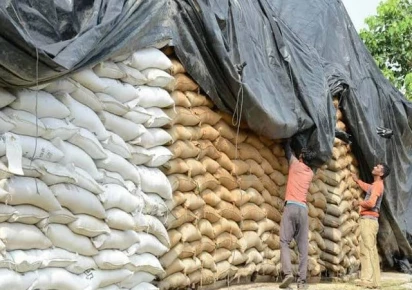

The federal government’s decision to import one million tonnes of wheat has sparked strong criticism from farmers and agricultural experts. The move has raised concerns about Pakistan’s food policy and the country’s continued dependence on imported grain despite being a major wheat producer.
Pakistan produces around 31 million tonnes of wheat annually. The crop covers nearly 40 per cent of the country’s cultivated area and remains a major part of the daily diet of millions of people. Punjab is the country’s largest wheat-producing province and contributes almost three-fourths of national production.
Farmers and experts say the issue is not simply about wheat availability. They believe repeated imports are linked to weak planning, inaccurate crop estimates, poor storage facilities, post-harvest losses and inconsistent government policies. Population growth and changing weather patterns have also increased pressure on the wheat supply chain.
Farmer organisations have strongly opposed the import decision. They say local growers are still struggling to sell their recently harvested wheat. Many farmers claim they are receiving prices below their production costs after spending heavily on seeds, fertiliser, pesticides, diesel and electricity.
Growers fear that imported wheat could further reduce local prices. They argue that the government should first ensure that locally produced wheat is purchased at fair rates before turning to international markets.
The controversy has also highlighted changes in Pakistan’s wheat procurement system. Under wider economic reforms linked to the International Monetary Fund programme, successive governments have reduced state intervention in agricultural markets. The aim is to limit government losses and encourage greater private-sector participation.
The IMF has not directly ordered Pakistan to stop purchasing wheat from farmers. However, governments have moved away from the traditional procurement and support price system. Provincial authorities have also reduced wheat purchases, leaving farmers increasingly dependent on private traders.
Farmers say the transition has not been properly managed. They argue that private buyers now have greater influence over prices because of weak market regulation. This has forced some growers to sell their wheat below production costs.