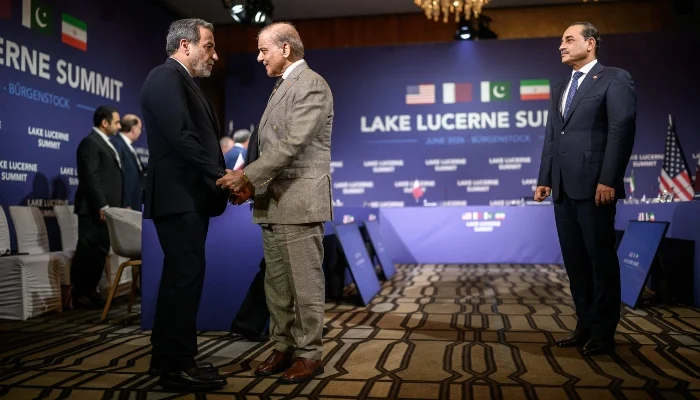

Pakistan has lately made local and global headlines for its success in the diplomatic arena. Several times in the past months it has succeeded in bringing about a pause in the war between the US and Iran. This ridiculous war has also resumed.
Pakistan is reported to be continuing its efforts to bring about a longer-term settlement that can halt the damaging aggression affecting the entire region. But perhaps it is time for it to look beyond the diplomatic arena and at other avenues which could perhaps work even more to its advantage. While there is global applause for Pakistan’s role and the country has been hugely successful in its patient, quiet efforts to engage with leadership in Tehran and Washington, as well as other powers, it needs to do more than act as a diplomat.
What it needs to do is think about the home front and learn from the examples of the countries it has come into close proximity with as a result of its diplomatic initiatives. These include Iran. There is a great deal Pakistan can learn from this country, rather than from its other neighbour to the west. Afghanistan’s destructive policies, banning women from education and even little girls from schools, have encouraged extremism at various levels in our country. They have also given new life to the Taliban in Pakistan. But it is Iran that Pakistan should be looking at.
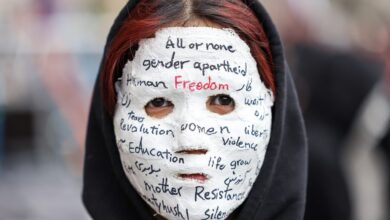
Since the 1979 revolution, which brought Ayatollah Khomeini to power and replaced the hugely unpopular monarchy of Reza Shah Pahlavi, Iran has achieved significant success across all arenas. In terms of education, the country has a 99% literacy rate among people aged 15 to 24 years and a limited disparity in education levels between women and men. Behind the head coverings, which, of course, can be a matter of choice in some cases, the women in Iran are able to learn, attend universities and pursue careers of their choice. They are also well represented in parliament and other institutions, and form a significant part of the many Iranians who hold PhD degrees and succeed in professions such as engineering, medicine, scientific innovation and many other fields. The number of PhDs Iran produces is impressive.
Pakistan can try and emulate the success of Iranian scientists and come up with programmes which encourage this. At the moment, it struggles, with much of its PhD research, according to experts in the field, thought to be of extremely low quality and, in some cases, based on open plagiarism. Cases of this kind of academic cheating have come up from time to time in the local media. Iranian experts are, on the other hand, well respected and well known for their abilities and contributions to science at various levels, as well as in other fields, including literature and filmmaking. Iran has, in other ways, carved out a niche for itself in the world across many spheres, despite the existing restrictions.
It has also performed wonders in the field of health, with a community-based programme led by workers known as ‘Behvarz’, providing primary care at the local level to all Iranians. As a result, vaccination rates are high and life expectancy stands at about 78 years, well ahead of that of Pakistan. It has also made significant progress in reducing maternal and infant mortality, as noted by the World Bank and other programmes.
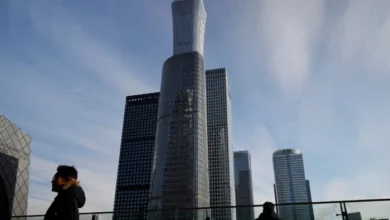
Pakistan could make an attempt to emulate Iran in each of these fields. While pursuing its excellent diplomatic efforts, it could also look at the achievements of other nations with which it has good ties. These include China, Saudi Arabia and others. China’s success in virtually eliminating the smog that once hung over Beijing and threatened the Olympic Games held there in 2008 is, in itself, a landmark achievement. This has been done by replacing coal-fuelled industries and factories with those run on cleaner fuels such as gas. In addition, there have been strict checks on vehicular emissions. Unlike New Delhi and Lahore, Beijing is no longer on the list of cities that record dangerously high levels of smog each year.
In addition, China has moved from a country that once produced cheap imitation goods, such as children’s toys, to one that innovates and leads in fields such as AI and robotics. It is thought that Chinese-made robots will soon lead the world and be used for medical and other purposes across the globe, beating the US and other highly developed nations in this important field for the future. Of course, China needs to do more to end poverty that still cripples it and deal with the whole host of other social problems it faces. But it is moving towards becoming a power which rivals the US or even stands ahead of it and this in itself is a huge achievement for a country which emerged as an independent state at virtually the same precise time as Pakistan.
We have signs of progress in Saudi Arabia as well. With initiatives taken by Prince Mohammed bin Suleman, there are now cafes, art galleries, cinemas and concert halls across Saudi Arabia, notably in cities such as Riyadh. There are also more and more women taking up professions and gaining new freedoms. From all this, Pakistan needs to learn its lessons. Saudi Arabia is rapidly developing its tourism sector and attracting new visitors to its ancient sites and deserts that roll across its landscape. Pakistan can potentially draw in many more tourists given the variety of its terrain, the history it has to offer, ranging from Mohenjodaro to the Mughal buildings of Lahore and the mountains that form a part of three distinct chains running through the country’s north.
There should be an effort to go beyond diplomatic initiatives now to learn life lessons from all those who have played a part in this. Pakistan has the capacity to move along these countries, yet we struggle with problems as mundane as persuading our healthcare providers not to reuse syringes, and preventing the molestation of young children of both genders as well as violence in many different forms. We could be a far better country if we followed the examples set by our allies. As diplomats, we should also learn to solve our own problems, and perhaps the countries we deal with could help us achieve these goals.
We need to be clear about our priorities and our own people need to be our priority, as there is a need to play a part on the global stage and to maintain it with powerful nations which could offer us help and aid, as it now seems may be beginning to happen as a result of the diplomatic efforts we have seen over the last many months. For these efforts, all those involved must be applauded. But we also need to look further afield and build our own country on the model of those nations with whom we work so well.