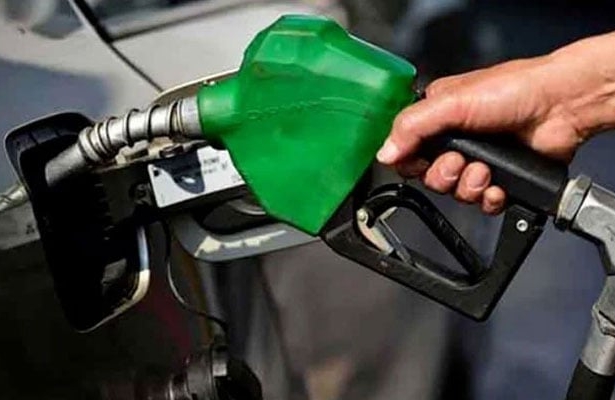

The federal government has set an ambitious target of Rs1.676 trillion in petroleum levy (PL) collections for fiscal year 2026-27 (FY27), with the revenue plan based on an average levy of Rs80 per litre on petrol and High Speed Diesel (HSD).
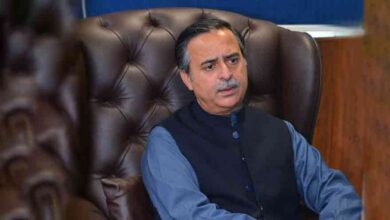
Minister for Energy (Petroleum Division) Ali Pervaiz Malik disclosed the details in a written response submitted to the National Assembly, explaining that the government is gradually restoring the petroleum levy in accordance with the revenue target approved under the federal budget.
The levy has been adjusted several times since the beginning of the fiscal year as the government attempted to balance revenue requirements with the impact of fluctuations in international oil prices.
According to the minister, the government had reduced the levy during a period of volatility in global oil markets to provide some relief to consumers. However, as part of its fiscal strategy and commitments to international financial institutions, the levy is now being increased in phases.
Petroleum Levy Revised Multiple Times
The petroleum levy structure underwent a series of changes during July and August.
On July 1, the levy stood at Rs66.64 per litre on petrol and Rs79.54 per litre on HSD. A day later, on July 2, the rates were revised downward to Rs64.14 on petrol and Rs77.04 on HSD.
The rates were subsequently changed again on July 4, when the levy on petrol was raised to Rs70.36 per litre, while the HSD levy was set at Rs70.82 per litre.
The levy on petrol eventually reached the government’s budgeted benchmark of Rs80 per litre on July 11.
The adjustment on HSD took place more gradually. The levy was increased in stages during August and reached Rs78.28 per litre on August 14. By August 20, the government had raised the levy to Rs80 per litre on both petrol and HSD, bringing both products in line with the budget assumption.
As a result, the petroleum levy on petrol increased by Rs13.36 per litre between July 1 and August 20.
Revenue Target Linked to Fiscal Commitments
Responding to questions in the National Assembly, Malik said the petroleum levy collection target forms part of the government’s approved federal budget and is connected with broader fiscal commitments made with international financial institutions.
The minister clarified that the Petroleum Division had not conducted a separate assessment of the impact of the levy on individual categories of consumers.
The government is relying on petroleum levy receipts as an important source of non-tax revenue as it works to meet its overall fiscal targets for the financial year.
The levy is particularly significant for the government’s revenue strategy because changes in the rate directly affect the amount collected from petroleum products sold in the domestic market.
Relief Depends on Fiscal Space
When asked whether the government could reduce the petroleum levy to provide relief to consumers, the minister said any decision would depend on several factors, including the government’s available fiscal space, revenue requirements, commitments to international financial institutions and movements in global oil prices.
Malik also maintained that the government attempts to pass on the benefit of lower international petroleum prices to domestic consumers whenever fiscal conditions allow.
This means that any substantial reduction in the petroleum levy or domestic fuel prices in the coming months is likely to depend on a combination of global oil market trends and the government’s budgetary position.
The government’s decision to restore the levy to Rs80 per litre comes as authorities seek to strengthen revenue collection while simultaneously managing fuel prices and their impact on inflation and household budgets.
For consumers, the levy remains a key component of the final retail price of petroleum products. Any increase or decrease in the levy can therefore influence the price paid at fuel stations, although the final price also depends on international oil prices, exchange-rate movements and other applicable taxes and charges.
With the FY27 petroleum levy target set at Rs1.676 trillion, the government is expected to closely monitor both international energy prices and domestic revenue performance as it seeks to meet its fiscal commitments without placing additional pressure on consumers.