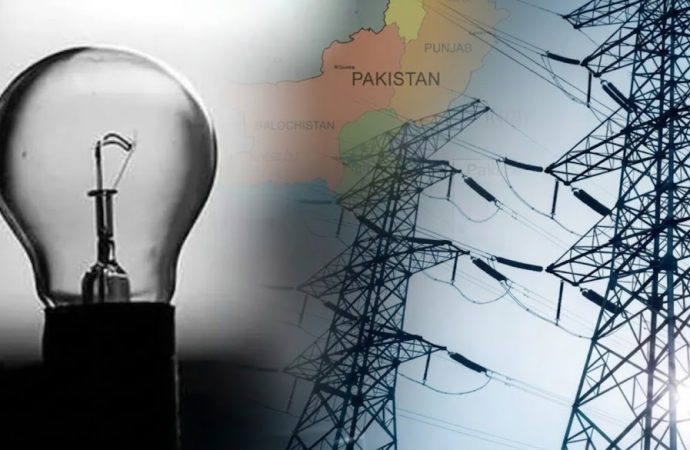

Pakistan is currently facing a severe economic crisis and growing public frustration. One of the major factors behind this situation is the country’s troubled, expensive and unequal energy system.
From daily-wage workers to factory owners in Faisalabad and Karachi, people across society are affected by high energy costs. The problem has gradually weakened economic activity, reduced industrial production and increased the financial pressure on ordinary citizens.
IPP agreements and capacity payments
A major issue is the agreements signed with independent power producers (IPPs) during the 1990s, in 2002 and in subsequent years.
One of the most controversial features of these agreements is the “take-or-pay” mechanism. Under this arrangement, the government has to make capacity payments to power producers regardless of whether all of their available electricity is purchased or used.
Pakistan is reportedly paying more than Rs2 trillion annually in capacity-related payments. Critics argue that consumers ultimately bear much of this cost through electricity tariffs.
Dollar-linked payments
Another major concern is the dollar indexation of payments under several power agreements.
When the Pakistani rupee loses value against the US dollar, the cost of these payments increases in rupee terms. This can add pressure to electricity tariffs and increase the financial burden on consumers.
The result is that economic pressures, currency depreciation and higher generation costs can eventually be reflected in electricity bills paid by households and businesses.
High energy costs hurt industry
Expensive electricity has also created serious challenges for Pakistan’s industrial sector.
Manufacturers have to compete with producers in countries where industrial energy costs can be considerably lower. Higher electricity prices increase production expenses and make Pakistani exports less competitive in international markets.
Industries in cities such as Faisalabad, Gujranwala, Sialkot, Lahore and Karachi have faced increasing financial pressure. Textile units, steel businesses and small and medium-sized enterprises have struggled with high operating costs.
When factories reduce production or shut down, the impact extends beyond business owners. Workers, technicians, engineers, suppliers and other people associated with the industrial supply chain can also lose their livelihoods.
Rising burden on households
For ordinary Pakistanis, electricity bills have become a major monthly expense.
A household already struggling with food, education, healthcare and other essential costs can face additional pressure when electricity tariffs rise.
Electricity bills also include several taxes, surcharges and adjustments in addition to the basic cost of electricity. These can include general sales tax, withholding tax, financing-related charges, television fees and fuel price adjustments.
Critics argue that using electricity bills as a broad tax-collection mechanism places an unfair burden on households, including people with limited incomes.
Article 9 of Pakistan’s Constitution guarantees the right to life. From a broader social perspective, the argument is that citizens should not be forced to sacrifice essential household needs simply to pay unaffordable utility bills.
Dependence on imported fuel
Pakistan’s energy challenges are also linked to its dependence on imported fuels.
The country has historically relied on imported furnace oil, LNG and coal for electricity generation, while critics have called for greater use of domestic hydropower, solar energy and locally available coal.
Importing fuel requires substantial foreign exchange. This puts additional pressure on the country’s external account and can contribute to higher trade deficits.
When foreign exchange reserves come under pressure, Pakistan becomes more dependent on external financing from institutions such as the International Monetary Fund and support from friendly countries.
Circular debt crisis
The power sector’s circular debt is another major challenge.
Electricity theft, transmission and distribution losses, weak recoveries and inefficiencies contribute to the accumulation of unpaid liabilities across the energy chain.
The resulting debt increases the financial pressure on the government and consumers. Instead of resolving the structural causes, additional borrowing, surcharges and other measures can further increase the burden on electricity users.
A proposed reform roadmap
The article argues that temporary relief measures are not enough and calls for fundamental reforms in the power sector.
1. Restructure IPP agreements:
The government should review existing agreements with independent power producers and renegotiate provisions that place an excessive burden on consumers, while respecting contractual and international legal obligations.
2. Conduct independent audits:
A transparent and independent forensic review of power projects should examine their construction costs, financial arrangements and payments received over the years. Any proven overpayments should be addressed through lawful mechanisms.
3. Remove unjustified charges from electricity bills:
The electricity bill should be made more transparent, with consumers clearly informed about the actual electricity cost and all additional taxes, fees and surcharges.
4. Introduce competitive industrial tariffs:
The government should work towards competitive electricity prices for export-oriented industries so that Pakistani manufacturers can compete more effectively with regional producers.
5. Expand electricity-market competition:
The article calls for greater implementation of the Competitive Trading Bilateral Contract Market (CTBCM), allowing large consumers and industrial users to obtain electricity through more competitive arrangements.
6. Improve distribution companies:
Distribution companies should be reformed to reduce theft, line losses and inefficiencies. Honest consumers should not be made to bear the cost of electricity losses caused by poor management or illegal connections.