
US keeps door open for Iran talks amid rising tensionsThe United States has said the door remains open for Iran to return to negotiations as tensions between the two countries continue to escalate across the Middle East.
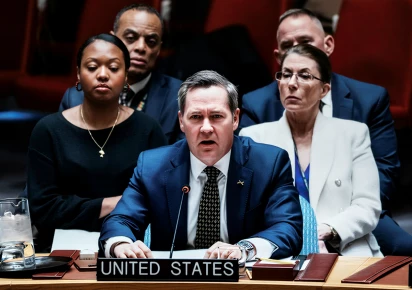
US Ambassador to the United Nations Mike Waltz said Washington was prepared to resume diplomacy with Tehran. Speaking at an event in New York on the sidelines of the UN General Assembly, he said the Trump administration believed it had time on its side in the conflict.
Waltz also rejected reports that Iran was demanding an end to US sanctions and financial compensation as conditions for restarting negotiations. He said Washington hoped Tehran would eventually return to talks through diplomatic channels.
The comments came as both sides continued to exchange warnings. Iranian military officials have said any new US offensive would trigger a strong response, while Tehran has indicated that it is preparing for a potentially prolonged conflict.
Iranian Revolutionary Guards spokesperson Hossein Mohebbi said a renewed attack would lead Iran to change both its weapons and the geographical scope of its military response. He also said Tehran had identified new targets that had not previously been attacked.
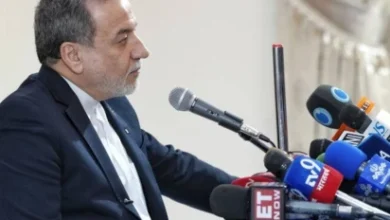
Iranian Parliament Speaker Mohammad Bagher Ghalibaf said Tehran had already communicated its position to Washington through intermediaries. He maintained that Iran’s conditions would need to be addressed before negotiations could resume.
Strait of Hormuz traffic falls sharply
The ongoing confrontation has also affected one of the world’s most important energy routes. Shipping data showed that only about a dozen commodity vessels passed through the Strait of Hormuz during the weekend, compared with 35 during the previous weekend.
Before the current conflict, the waterway handled around 125 large commercial vessels each day. The sharp decline has raised concerns about the impact of the regional crisis on global energy supplies and shipping.
Despite the reduction in visible traffic, oil exports from the Gulf have continued. Saudi Arabia has increased shipments through the strait after disruptions to its East-West pipeline caused some exports through Yanbu to be halted.
Saudi crude exports have recovered to more than four million barrels per day in September, compared with around 2.4 million barrels per day in August, according to shipping data cited by Reuters.
Saudi Arabia faces new Houthi attacks
The regional crisis has also expanded beyond the direct US-Iran confrontation. Yemen’s Iran-backed Houthi group launched missile and drone attacks toward Saudi Arabia, further raising concerns about the security of energy infrastructure and shipping routes.
The attacks came as Houthi forces continued to make gains in Yemen. Their position near the Bab al-Mandab Strait has added another layer of risk for international shipping between the Red Sea and Asia.
The United States has warned its citizens in the region about the possibility of further escalation. The situation has also raised concerns about flight disruptions and potential airspace closures.
Qatar pushes for renewed diplomacy
Qatar has said it is working to revive negotiations between Washington and Tehran. Foreign Ministry spokesman Majed al-Ansari said Qatari mediators had been exchanging proposals with both sides for nearly two weeks.
Qatar and Pakistan have been involved in diplomatic efforts aimed at reducing tensions and creating conditions for renewed talks. Doha has said its mediators are travelling between capitals in an effort to make progress.
Qatar has also called for a regional arrangement to protect international waterways, including the Strait of Hormuz. Doha has warned that using major waterways as a political or military tool could create a dangerous precedent.
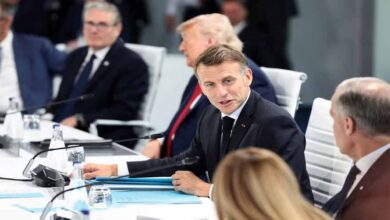
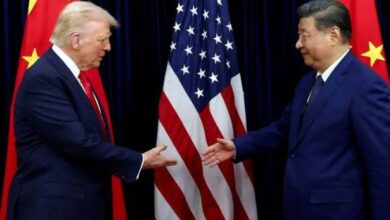
The latest diplomatic activity comes as the UN General Assembly brings US and Iranian officials to New York. President Masoud Pezeshkian is expected to attend the gathering, while US President Donald Trump has indicated that he remains open to meeting him.
Conflict continues to pressure global energy markets
The uncertainty surrounding the Strait of Hormuz has kept energy markets on edge. Oil prices have recently reacted to developments involving both diplomacy and attacks in the Gulf.
Brent crude fell to around $101.71 a barrel on Monday amid hopes that diplomatic efforts could reduce the risk of further disruption. US West Texas Intermediate also declined, while Saudi oil exports showed signs of recovery.