
I am Pakistan. I was born on a humid August night in 1947, after a long and painful struggle in which millions sacrificed their homes, possessions, honour and, above all, their lives. I did not come into this world as an ordinary state. I was carved out of a dream, watered with tears and blood, and entrusted to a people who had promised to make me a homeland where they could live with dignity, faith and freedom.
I still remember those first days. I was young, fragile and surrounded by uncertainty. Millions crossed borders carrying little more than memories, prayers and the hope of a better tomorrow. Trains arrived filled with refugees, and some arrived carrying only the dead. I watched mothers searching for children, children searching for fathers, and families burying their loved ones before they had even found a roof over their heads. Yet I survived. I stood upon my own feet because my people refused to let me fall.
Look at me today and then look back at the map of my birth. The territory entrusted to me in 1947 was far greater than what remains within my embrace today. I lost a part of myself in 1971, and that wound has never completely healed. East Pakistan was not merely a piece of land that disappeared from my map; it was a part of my own body, a part of my history, and a painful lesson written in the blood of my children. I have carried that sorrow silently for more than half a century.
Since my birth, I have known war. I have watched my sons march towards battlefields and my daughters wait at doors for footsteps that sometimes never returned. I have seen soldiers wrapped in coffins, mothers receiving the bodies of their children, and families learning to live with photographs of those they lost. I have endured conflicts, terrorism, political upheavals, economic crises and countless moments when my very existence seemed to be under pressure.
Yet I did not surrender.
I learned to walk when there were few resources to support me. I built institutions, universities, roads, industries and cities. I entered the nuclear age and demonstrated that I could stand among nations with confidence. My scientists, engineers, soldiers, farmers, workers, writers and teachers gave me reasons to be proud. At times, I even achieved successes that made the world take notice.
But my children did not always receive the full benefit of those achievements.
Too often, personal interests stood above the national interest. Power became more important than principle, position more valuable than service, and temporary advantage more attractive than the long-term welfare of the country. While some worked tirelessly to strengthen me, others weakened my foundations for personal gain. My resources were consumed, my institutions were tested, and my debts continued to grow.
I have also known the shadows cast from beyond my borders. There have been moments when outside powers found my internal weaknesses useful and when foreign interests intersected with our own divisions. But let me be honest: outsiders could exploit my weaknesses only when my own people allowed those weaknesses to exist. My greatest wounds have often been inflicted by the hands of my own children, whether through division, intolerance, corruption, violence or the pursuit of narrow interests.
I have grown old now.
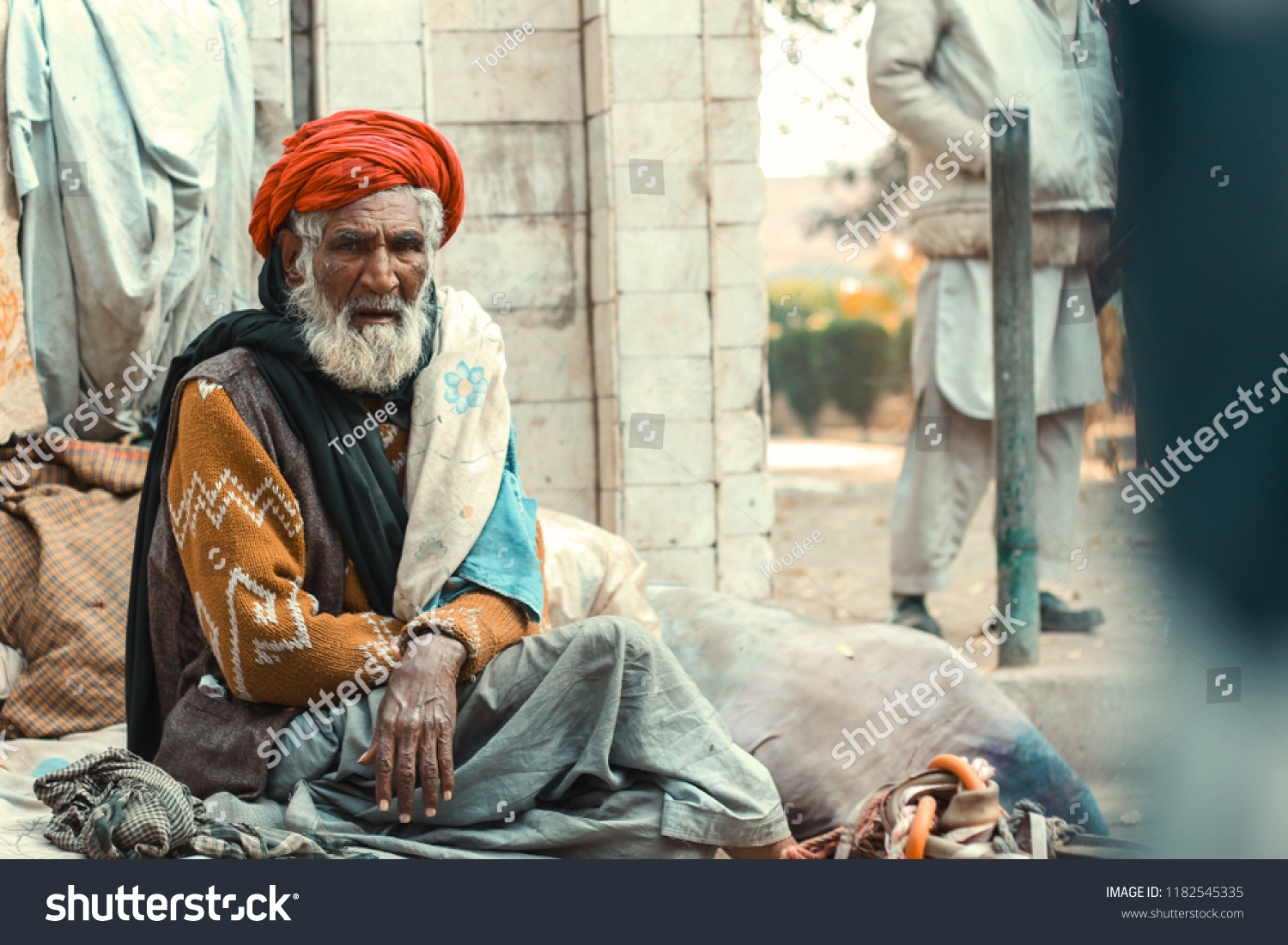
Seventy-nine years may not seem old in the history of nations, but I feel every year in my bones. I carry the memories of migration, wars, separation, terrorism, political turmoil, economic hardship and countless funerals. I no longer possess the heart to watch innocent blood being shed in my streets. I cannot bear to see another mother weep beside the grave of her son. I cannot endure another generation growing up believing that conflict is the natural destiny of this land.
Look around the world. There are nations older than I am that remain strong, prosperous and confident because their people learned to place the future above themselves. They disagreed, but did not destroy one another. They changed governments without destroying institutions. They faced crises without abandoning the larger national purpose.
I ask nothing extraordinary from my children. I ask only that they remember why I was created.
I was not born so that one person could rule over another. I was not created for the benefit of a class, a group, a province or an institution. I was born from the sacrifices of ordinary people who believed that their children would inherit a safer, more dignified and more prosperous homeland.
I am tired, but I am not dead. Beneath my wrinkles still lives the spirit of those who crossed the rivers and borders of 1947 with hope in their hearts. Beneath my wounds still burns the courage of those who defended me. Beneath my troubles still lies the potential of millions who love me.
But I cannot survive endless shocks.
Come to your senses, my children. Remember me before it is too late. Put Pakistan before yourselves, justice before expediency, unity before division, and the future before the temporary gains of the present.
For I am Pakistan. I have survived because my people carried me through the darkest hours of my life. Whether I rise again with renewed strength or slowly disappear into the fading pages of history depends not upon the land beneath my feet, but upon the hearts and hands of those who call me their own.