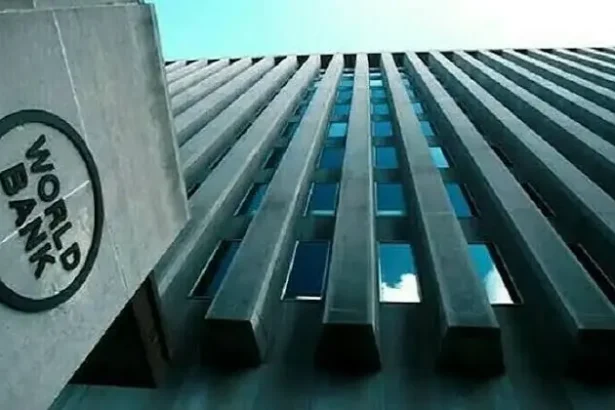

Pakistan accounts for nearly half of the people living in extreme poverty across the Middle East, North Africa and Afghanistan-Pakistan region, according to a new World Bank assessment.
The World Bank has projected Pakistan’s economic growth at 3.8 per cent for the current fiscal year, while warning that poverty remains a major challenge. The lender said the region is the only one in the world where poverty has remained above pre-pandemic levels and continues to increase.
According to the report, Pakistan represents around 48 per cent of the region’s population living below the poverty line of $3 a day. Afghanistan, Syria and Yemen together account for another 47 per cent.
The World Bank said Pakistan’s poverty rate at the $3-a-day threshold increased by 6.4 percentage points between 2018-19 and 2024-25. At the $4.20-a-day threshold, poverty increased by 3.2 percentage points during the same period.
The rise has been linked to a series of economic and climate-related shocks. These include the Covid-19 pandemic, the devastating 2022 floods, high inflation, currency depreciation and a prolonged economic adjustment. The World Bank said these pressures weakened household incomes and reduced employment opportunities.
The bank expects Pakistan’s economy to grow from 3.2 per cent in fiscal year 2025 to 3.7 per cent in FY2026 and 3.8 per cent in FY2027. Services, manufacturing and livestock are expected to support economic activity despite higher import, commodity and transportation costs.
However, rising prices could continue to put pressure on household budgets. The World Bank also warned that a stronger-than-usual El Niño weather pattern expected later this year could increase food prices and further affect vulnerable households. Pakistan could face additional risks because of possible changes in monsoon patterns.
The report also highlighted Pakistan’s exposure to the economic fallout from the ongoing US-Iran conflict. Higher oil and commodity prices could increase inflationary pressures, while weaker remittances from Gulf countries and higher borrowing costs could further strain the economy.
The World Bank said the overall impact of the conflict on the region remains uncertain and will depend on how the situation develops. Under its baseline scenario, the regional economy could contract by 2.1 per cent in 2026 if disruptions continue through the end of the year without further major escalation.
For Pakistan, the combination of poverty, inflation, external pressures and climate risks remains a significant challenge despite expectations of gradual economic growth.