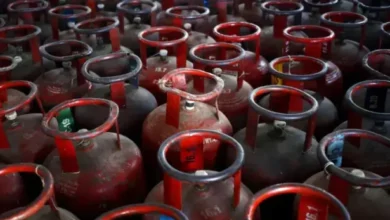


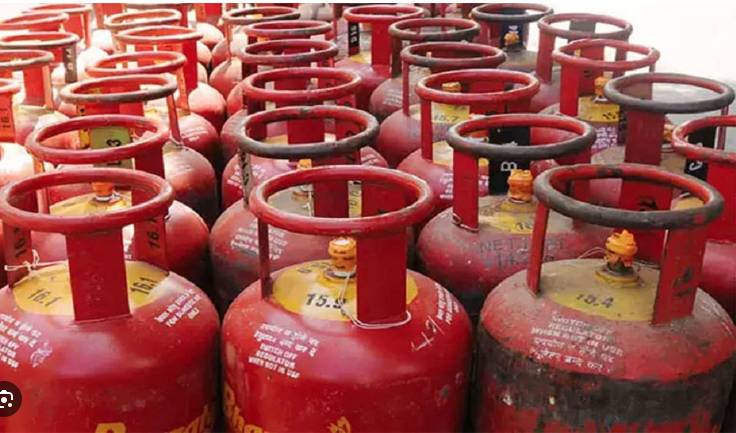

Liquefied petroleum gas (LPG) prices have surged to Rs500 per kilogram in Punjab and Khyber Pakhtunkhwa, while consumers in mountainous areas are paying as much as Rs600 per kilogram, according to the chairman of the LPG Distributors Association.
Association Chairman Irfan Khokhar said the Oil and Gas Regulatory Authority (OGRA) had fixed the official LPG price at Rs279 per kilogram for October. However, consumers in several areas are paying significantly higher rates, placing an additional financial burden on households that rely on LPG for cooking and heating.
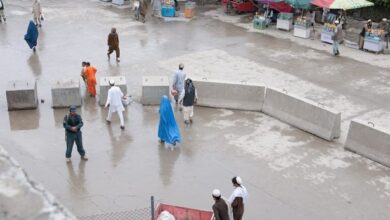
He said the price had climbed to Rs500 per kilogram in parts of Punjab and Khyber Pakhtunkhwa, while residents of mountainous regions faced even steeper rates of up to Rs600 per kilogram.
The sharp difference between the officially notified rate and market prices has raised concerns about price enforcement, particularly in remote areas where consumers have limited alternatives for meeting their energy needs.
Khokhar criticised OGRA for failing to control the situation and alleged that billions of rupees were being extracted from consumers through excessive pricing. He accused the regulator of remaining a silent spectator while LPG prices continued to rise beyond the notified rate.
To address the issue, the association chairman urged the government to use the Sui Southern Gas Company (SSGC) terminal to improve LPG supply and help bring prices under control.
He said the government needed to take practical measures to ensure adequate supplies, curb excessive pricing and provide relief to consumers facing soaring fuel costs.
LPG remains an important source of energy for households, especially in areas without access to piped natural gas. Any sustained increase in its price can significantly affect domestic budgets, particularly during the colder months, when demand for cooking and heating fuel typically rises.
The reported surge has renewed calls for stronger monitoring of LPG markets and effective enforcement of official prices to prevent consumers from paying excessive rates.