



ISLAMABAD (Dunya News) – Participants of a national debate has called for creating new provinces in Pakistan as it could open the doors for fresh leadership in the country.
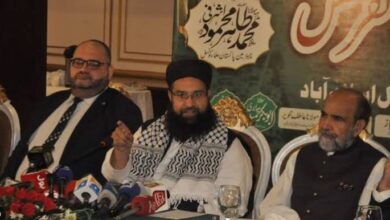
The debate on Administrative Resturcutring of Pakistan: Creating New Provinces brought together government and opposition leaders, policy experts and senior journalists.
The speakers highlighted the need to address administrative challenges, ensure a fair distribution of resources, strengthen local government institutions and improve the delivery of basic public services.
Ahsan Iqbal Stresses Need to Strengthen Social Sector
Federal Minister Ahsan Iqbal emphasized that strengthening the social sector was essential for sustainable development. He said no country could achieve meaningful progress while leaving millions of children out of school.
He noted that approximately 25 million children in Pakistan were out of school and called for collective efforts to improve literacy rates.
Iqbal also highlighted the challenge of child stunting, saying that around 40 percent of children in the country suffered from impaired growth. He further expressed concern over the increase in Pakistan’s population growth rate from 2.4 percent to 2.55 percent.
The minister argued that establishing an empowered third tier of government could bring forward new leadership and ensure a more effective transfer of powers to the grassroots level. He cautioned that ignoring existing challenges could pose risks to the country’s future.
Discussing resource distribution, Iqbal said provinces received funds from the federal government through the National Finance Commission (NFC). However, he pointed to concerns over effective monitoring and accountability regarding the use of these resources after their transfer to the provinces.
Mustafa Kamal Calls for Strong Local Government System
Muttahida Qaumi Movement-Pakistan (MQM-P) leader and Health Minister Mustafa Kamal described the devolution of powers to the grassroots level as an urgent need.
He said a strong local government system was essential to resolving public problems at people’s doorsteps. He added that restructuring the existing system was necessary, with decisions based on ground realities.
Aqeel Malik Highlights Need for Administrative Devolution
Barrister Aqeel Malik stressed the importance of meaningful devolution of powers on administrative grounds, saying a framework existed for establishing new administrative units.
He observed that after funds were transferred to the provinces under the NFC, decisions regarding their utilization rested with provincial governments, particularly the chief ministers.
Malik said political commitments were frequently made to address public concerns, but basic issues, including the construction of streets and roads, often remained unresolved.
He added that constitutional amendments might be required in the future to address the country’s administrative challenges.
Qamar Zaman Kaira Calls for Serious Administrative Reforms
Pakistan Peoples Party leader Qamar Zaman Kaira said serious efforts were needed to address administrative shortcomings and resolve fundamental public issues.
He observed that the country had yet to function according to the governance model originally envisioned for it.
Kaira also stressed that weak enforcement of the law made it difficult to resolve other national challenges. While supporting administrative reforms, he said policymakers must also understand the underlying causes of the problems they seek to address.
Muhammad Ali Durrani Emphasizes Political Consensus
During the debate, Muhammad Ali Durrani said progress on the creation of new administrative units and the implementation of reforms required political consensus.
The discussion highlighted the importance of administrative restructuring, accountable resource utilization, stronger local institutions and effective devolution of powers in addressing Pakistan’s governance challenges.