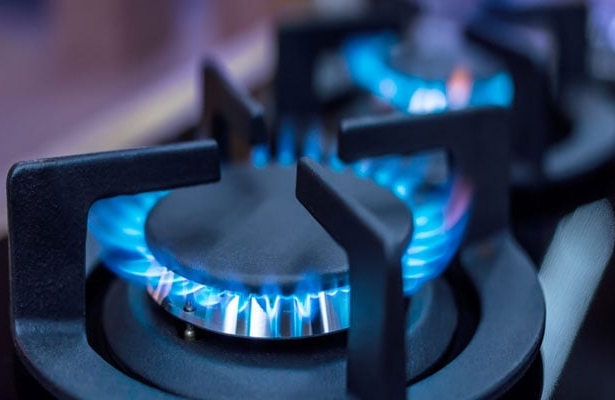

Residents across several cities have raised serious concerns over prolonged gas outages and persistently low pressure, saying the worsening situation is severely disrupting routine life, particularly cooking and heating.
Consumers report that irregular supply schedules and weak gas pressure have made it increasingly difficult to manage basic household needs. Many households are struggling during peak hours, with some areas experiencing complete outages for extended periods.
According to recent reports, complaints regarding gas shortages have surged sharply in recent days, reflecting a growing supply-demand gap. The situation has become especially challenging in urban centers, where higher population density is intensifying the impact of reduced gas availability.
Officials indicate that the supply shortfall faced by Sui Northern Gas Pipelines Limited has crossed 1,000 million cubic feet per day (MMCFD), putting immense pressure on the national distribution system. The crisis has been further aggravated by disruptions in imported liquefied natural gas (LNG), largely attributed to ongoing geopolitical tensions in the Middle East.
Sources within the energy sector reveal that the suspension of LNG shipments has significantly strained the country’s gas reserves. In addition, domestic production has also taken a hit following the shutdown of the Shiva Gas Field, which previously contributed around 70 MMCFD to the system.
The combined impact of reduced imports and declining local output has intensified shortages nationwide. In Lahore, one of the worst-affected cities, residents say they are facing acute difficulties in cooking meals due to extremely low gas pressure, particularly during morning and evening peak hours.
The crisis is equally severe in other parts of Punjab, including Sheikhupura, Nankana Sahib, Sargodha, Okara, and Kasur, where prolonged loadshedding and weak pressure are being widely reported.