
The United Arab Emirates has officially described Iran as a “strategic threat,” signaling a sharp escalation in regional rhetoric and deepening concerns over long-term security in the Gulf.
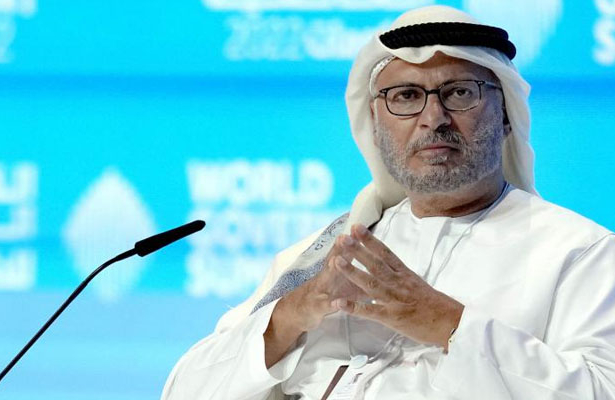
The statement came from senior presidential adviser Anwar Gargash, who made the remarks during a global policy conference held in Chantilly, France. He warned that rebuilding trust with Tehran would take “a very long time,” especially after recent regional tensions that reportedly included direct strikes affecting UAE interests.
According to Gargash, the scale of recent attacks attributed to Iran during the wider Middle East conflict has significantly damaged diplomatic confidence. He claimed that out of nearly 2,800 missiles and drone operations, around 89 percent targeted civilians, infrastructure, and energy systems—raising serious concerns about regional stability and civilian safety.
The UAE official emphasized that such developments have fundamentally altered how Gulf states perceive Iran. Instead of viewing the situation as temporary tension, he suggested that Iran is now being assessed as a long-term strategic risk to regional security architecture.
His remarks reflect growing unease among Gulf countries, where security cooperation and energy infrastructure are considered vital national priorities. The UAE, along with its regional partners, has repeatedly called for de-escalation but continues to express concerns over missile and drone activity in the region.
Gargash also highlighted the difficulty of pursuing confidence-building measures in an environment where large-scale attacks have already taken place. He questioned how trust can be restored when such a high volume of strikes has reportedly been directed toward critical civilian assets.
The comments come at a time when diplomatic efforts in the Middle East remain fragile, with competing narratives over responsibility for regional conflicts and attacks. Analysts say the UAE’s latest position reflects a tougher and more cautious approach toward Iran, even as backchannel diplomacy continues in other areas.
While no immediate response has been issued by Tehran, the statement is expected to further strain already tense relations between Iran and several Gulf states.
For now, the UAE’s message is clear: without sustained behavioral change and reduced regional aggression, trust between the two sides will remain severely limited, shaping a more cautious and security-focused era in Gulf diplomacy.