

Global oil prices climbed sharply on Friday after fresh hostilities erupted between the United States and Iran, shaking investor confidence and threatening the fragile ceasefire that had raised hopes for stability in the energy market.
Brent crude rose by $1.20, or 1.2 per cent, to settle at $101.26 per barrel, while US West Texas Intermediate (WTI) crude gained 85 cents, or 0.9 per cent, reaching $95.66 per barrel. Both benchmarks had surged more than 3 per cent earlier in the session before easing slightly. Despite the rebound, oil remains on track for a weekly loss of nearly 6 per cent following earlier optimism about a possible peace agreement.
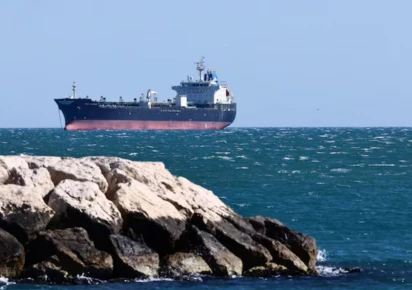
The market reaction came after Tehran accused Washington of breaching the month-long ceasefire. US officials, however, described their actions as retaliatory, claiming Iranian forces had fired at American naval vessels passing through the strategically vital Strait of Hormuz. Iran’s military alleged that US strikes targeted an Iranian oil tanker, another vessel, and civilian areas both within the strait and on the mainland.
Although President Donald Trump later stated that the ceasefire was technically still in place, the renewed confrontation has unsettled traders who had anticipated progress toward reopening the Strait of Hormuz. The narrow waterway handles roughly one-fifth of the world’s oil and liquefied natural gas shipments, making any disruption a major concern for global supply chains.
Energy analysts say volatility has intensified as markets struggle to interpret conflicting signals from Washington and Tehran. Vandana Hari, founder of Vanda Insights, noted that oil price movements are increasingly detached from physical supply conditions and more influenced by shifting political narratives.
The latest exchange of fire unfolded as the United States awaited Iran’s response to a revised peace proposal. The proposal reportedly sidestepped several contentious matters, including Washington’s demand for the immediate reopening of the Strait of Hormuz, which has remained partially restricted since fighting began on February 28.
Meanwhile, supply fundamentals remain tight, adding upward pressure to prices. IG analyst Tony Sycamore said in a research note that concerns about constrained output are compounding the geopolitical risk premium in oil markets.
In a separate development, the US Commodity Futures Trading Commission has launched an investigation into $7 billion worth of oil trades executed ahead of key announcements related to the conflict. Most of the positions were short bets placed on the Intercontinental Exchange and Chicago Mercantile Exchange prior to statements by President Trump concerning military action, ceasefire arrangements, or shifts in Iran policy that triggered price swings.
As tensions persist and diplomatic efforts hang in the balance, oil markets are likely to remain volatile, with traders closely watching developments in the Gulf for any sign of escalation or de-escalation.