
Soaring fuel prices pushed Pakistan’s weekly inflation above 15% on a year-on-year basis, according to the latest data released by the Pakistan Bureau of Statistics on Friday.
The Bureau stated that inflation, measured through the Sensitive Price Indicator (SPI), increased by 15.16% for the week ended May 7, 2026, compared with the same week last year.
On a week-on-week basis, inflation also rose by 0.79%.
According to the PBS, rising fuel costs remained one of the main drivers behind the increase in weekly inflation. The Bureau reported that diesel prices increased by 5.10% during the week, while petrol prices rose by 1.66%.
Food items also recorded significant increases, with chicken prices surging by 12.82% and wheat flour prices climbing by 3.42%.
Other commodities that posted increases included curd, fresh milk, beef, prepared tea, mutton and potatoes.
The Sensitive Price Indicator (SPI) is calculated weekly by the Pakistan Bureau of Statistics to assess short-term price movements of essential commodities across the country.
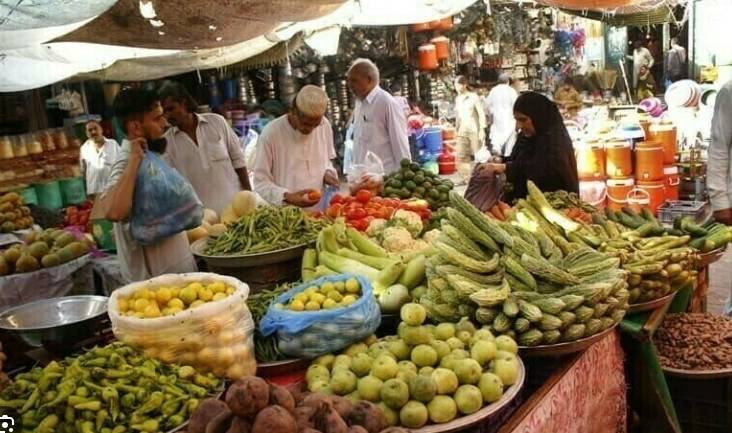
The SPI basket consists of 51 essential items collected from 50 markets in 17 cities nationwide.
According to the latest report, prices of 22 items increased during the week, while 14 items recorded declines and 15 items remained stable.
Despite the broader inflationary trend, several commodities recorded price reductions during the week.
Tomato prices declined by 7.08%, while garlic prices fell by 1.19% and eggs decreased by 1.22%.
The PBS also reported lower prices for LPG, pulse masoor, onions, pulse gram, rice Irri 6/9 and gur.
The year-on-year inflation data highlighted sharp increases in fuel and utility prices.
According to the PBS, petrol prices rose by 58.32% compared to the same week last year, while diesel prices surged by 55.76%.
Electricity charges for Q1 increased by 52.58%, and wheat flour prices climbed by 50.65%.
LPG prices also rose significantly by 48.82% on an annual basis.
The report also showed annual declines in several food commodities.
Potato prices dropped by 44.58% year-on-year, while pulse gram declined by 20.29%.
Sugar, salt powder, pulse masoor, eggs, chicken and pulse moong also recorded annual decreases.