
The International Court of Justice has ruled that workers around the world have the legal right to go on strike under an important international labour agreement. The decision is being seen as a major victory for employees and labour unions who have long argued that striking is a basic workers’ right.
The ruling means that workers can peacefully stop working when they want to demand better salaries, safer workplaces, shorter working hours, or fair treatment from employers. Labour unions welcomed the decision and called it a historic moment for workers everywhere.
The case started because of disagreements about international labour laws. Some governments and business groups argued that the labour agreement did not clearly mention the right to strike. However, labour organizations strongly believed that the ability to strike is closely connected to workers’ freedom and rights.
After reviewing the issue, the court decided that workers do have the right to organize peaceful strikes under the labour treaty. Judges explained that striking is linked to freedom of association and collective bargaining, which are important protections for employees.
Labour unions in many countries celebrated the ruling. Worker groups said the decision gives employees more confidence to speak up when they face unfair treatment, low wages, unsafe working conditions, or job insecurity.
Throughout history, strikes have played a major role in improving workers’ lives. Many labour rights that people enjoy today, such as fair wages, weekends, safer workplaces, and shorter working hours, were achieved after workers protested and demanded change.
Supporters of the court’s decision say it sends a strong message that workers should be allowed to defend their rights peacefully. They believe strikes are an important tool for employees when negotiations with employers fail.
At the same time, some business organizations and governments expressed concern about the ruling. They worry that frequent strikes could affect transport systems, factories, businesses, and the economy. Some believe there should be a balance between workers’ rights and economic stability.
Experts say the ruling could influence labour laws in many countries. Governments and companies may now face greater pressure to respect workers’ rights during disputes and negotiations.
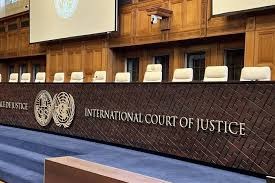
The International Court of Justice is one of the world’s top legal institutions. Its decisions are respected internationally and often influence global legal discussions, especially in cases involving human rights and international agreements.
The ruling comes at a time when many workers around the world are facing rising living costs and economic pressure. In recent years, employees in industries such as healthcare, transport, education, and manufacturing have organized strikes to demand better pay and working conditions.
Labour experts believe this decision may strengthen unions and encourage more peaceful labour movements in the future. Workers may now feel more protected when speaking out against unfair treatment.
Supporters also argue that strikes usually happen only when workers feel ignored or frustrated after failed discussions with employers. They say peaceful protest is an important part of democracy and social justice.
For millions of workers, the court’s decision is being seen as a powerful reminder that their voices matter. Many labour groups believe the ruling will help protect workers’ rights and improve working conditions in different parts of the world.