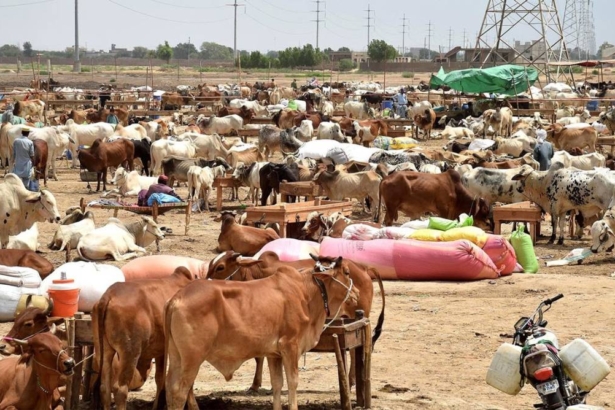

As preparations for Eid al-Adha gather pace across Pakistan, health experts are warning that the risk of the deadly Crimean-Congo Hemorrhagic Fever could rise sharply during the festive season.
With thousands of families purchasing sacrificial animals and temporary cattle markets becoming increasingly crowded, medical specialists fear that negligence in handling animals may contribute to the spread of the dangerous virus.
Doctors and public health experts have urged citizens to strictly follow preventive measures while buying, transporting and caring for sacrificial animals ahead of Eid-ul-Adha. According to experts, the Congo virus is commonly transmitted through tick bites or direct contact with the blood and tissues of infected animals.
Medical professionals are particularly emphasizing the importance of spraying animals with anti-tick medication before bringing them into homes or residential areas. They say ticks attached to livestock remain one of the biggest sources of infection during the Eid season.
Experts have also advised people involved in animal slaughter to wear gloves, masks and protective clothing to minimize exposure to blood and animal waste. Citizens are being strongly discouraged from touching animal blood or remains with bare hands.
Health authorities warn that symptoms of the virus may initially appear similar to common flu, including high fever, muscle pain and weakness. However, severe cases can rapidly become life-threatening and may lead to internal bleeding if treatment is delayed.
Doctors say immediate medical attention should be sought if symptoms such as fever, body aches or unusual bleeding appear after contact with animals.
The warnings come as cities across Pakistan prepare for massive Eid cattle trading activity, with millions expected to visit livestock markets in the coming days. Public health experts fear overcrowded animal markets and poor sanitation could increase the chances of virus transmission if proper precautions are ignored.
Authorities are also encouraging municipal bodies to ensure timely disposal of animal waste and maintain strict cleanliness measures throughout the holiday period.
Medical experts believe awareness remains the strongest defense against the disease. They say simple safety habits — including handwashing, using disinfectants and avoiding unnecessary direct contact with animals — can significantly reduce risks.
As excitement for Eid-ul-Adha builds, health officials are reminding the public that celebrating responsibly and maintaining hygiene is essential to protecting families and communities from potentially deadly infections during the festive season.