
The provincial government has decided to launch a province-wide crackdown on illegal industrial units operating in residential areas, including Lahore, with immediate orders issued for enforcement action.
The decision was taken during a smog-related meeting chaired by Senior Punjab Minister Maryam Aurangzeb, where strict measures were approved to curb environmental pollution caused by urban industrial activity.
Officials confirmed that all previously issued NOCs for industrial units operating illegally in residential zones will be cancelled with immediate effect.
The meeting also decided that industries approved within residential areas will be gradually shifted to specialised industrial zones under a structured relocation plan.
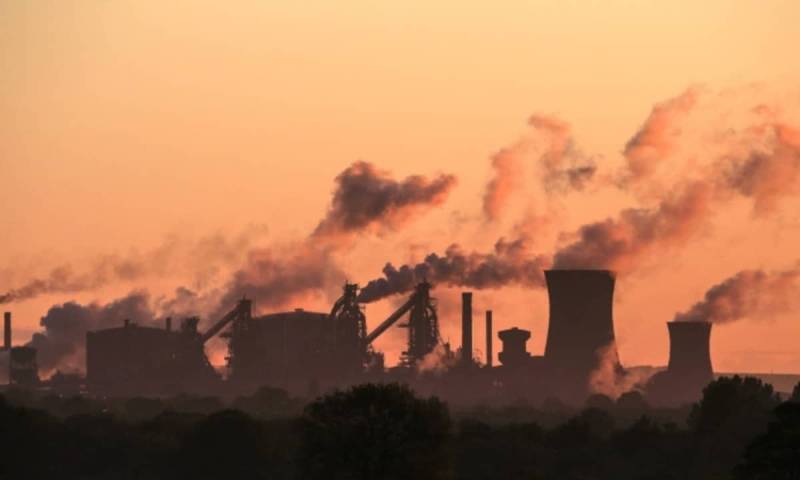
The government has also ordered strict action against illegal fat-melting units, in line with directives issued by the chief minister of Punjab. Authorities noted that residential industrial activity is a major contributor to environmental pollution in urban centres.
During the meeting, Maryam Aurangzeb stated that industries operating in residential areas are a significant source of environmental degradation. She warned that gases emitted from plastic burning can cause respiratory diseases, lung disorders and even cancer.
She further said that fat-melting and rendering units pose a serious threat to urban environments and public health, adding that relocating industries would help reduce air pollution, improve water quality and promote sustainable industrial growth.
According to official data presented in the meeting, a comprehensive mapping exercise in Lahore has identified 5,206 illegal industrial units, of which 4,514 are located within residential boundaries.
These industries have been categorised into five groups based on environmental impact. The report identifies 306 units as highly polluting, 676 as high pollution producers, 539 as medium polluters, 2,925 as low polluters and 760 as very low-polluting units.
The provincial minister said the industrial relocation plan has been divided into short, medium and long-term phases. Large industries will be provided land in newly developed industrial zones outside residential areas, along with necessary infrastructure such as electricity, water and roads.
She added that investors will be offered incentives, including subsidised land, facilitation for importing new machinery, and support for waste treatment systems and utility provision within specialised zones.
The meeting also decided that officials responsible for issuing NOCs for illegal industrial units in residential areas will face departmental action. A structured monitoring and implementation committee will oversee timelines, legal reforms and grievance redress mechanisms.
Authorities said the relocation strategy has been developed using scientific methods, including industrial mapping, environmental assessment and population analysis. More than 50 stakeholders were consulted, and 14 consultation meetings were held as part of the planning process.