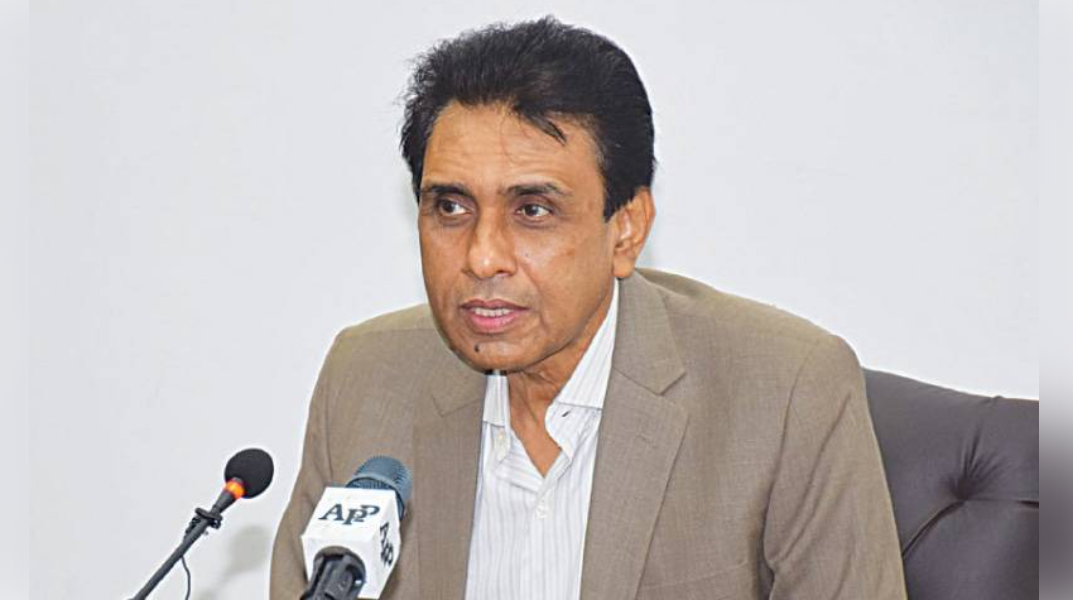

Muttahida Qaumi Movement-Pakistan (MQM-P) Chairman Khalid Maqbool Siddiqui Wednesday said urban Sindh continued to face neglect in budget allocations despite its major contribution to the national economy, while welcoming the Supreme Court’s decision in the Baldia Town factory case.
Addressing a press conference, Siddiqui claimed that MQM-P enjoyed 85 percent representation in Sindh’s urban areas and said the prosperity of Pakistan was closely linked to the development of the province’s major cities.
“If urban areas of Sindh work, Pakistan thrives,” he said, adding that successive budgets had failed to adequately address the needs of urban centres, particularly Karachi.
Referring to the upcoming budget, Siddiqui expressed concern that Karachi’s share of development funds could be reduced further. He said MQM-P was raising the issues of urban Sindh both inside and outside parliament and would continue to advocate for the rights of the province’s urban population.
“We have come to tell the people of Sindh that we are fighting their case in the assemblies,” he said.
The MQM-P chief also welcomed the Supreme Court’s verdict in the Baldia Town factory case, saying another allegation against the party had been disproved.
“Numerous allegations were made against MQM, but not a single one has been proven,” he said, adding that the court’s decision had cleared what he described as another stain on the party’s reputation.
Siddiqui said MQM-P had brought middle-class representatives into parliament and continued to represent the aspirations of ordinary citizens.
Commenting on governance issues, he said Karachi had become one of the worst-performing emerging cities despite being the country’s economic hub. He called for major infrastructure investments, including the construction of the ML-1 railway project between Karachi and Rohri.
The MQM-P leader also reiterated the party’s demand for greater political representation, saying that a party holding an overwhelming mandate in urban Sindh had the right to have its own governor.
Siddiqui said peace and prosperity in Karachi were directly linked to the stability and economic well-being of the entire country, stressing the need for greater attention to the city’s development and infrastructure requirements.