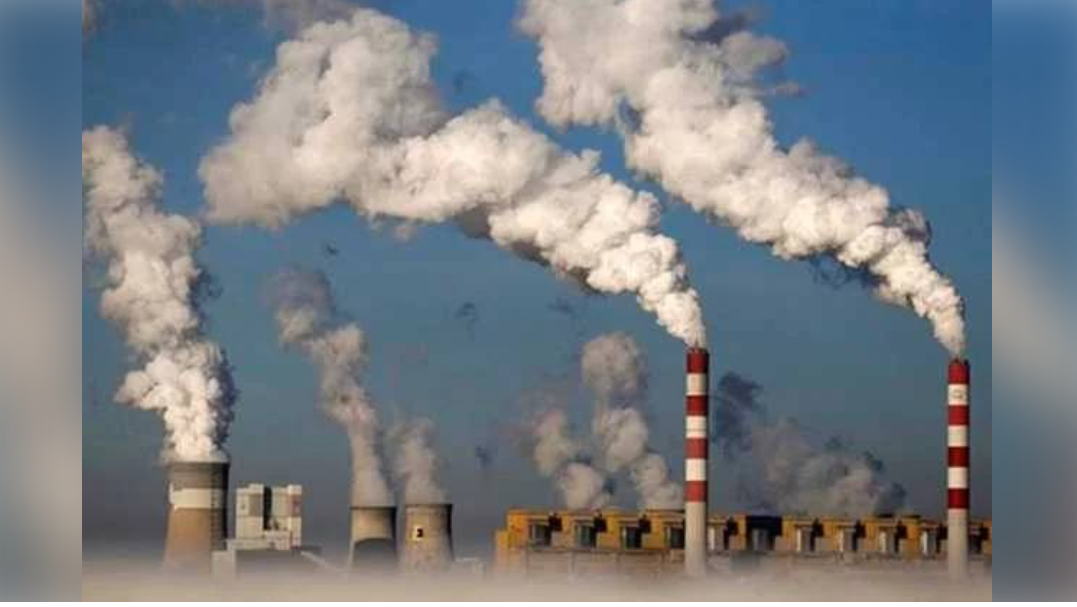

The Punjab government has introduced a modern emissions monitoring and trading system aimed at reducing industrial pollution, improving air quality and encouraging the adoption of cleaner technologies across the province.
Under the new “Emissions Trading System” (ETS), industries will be subject to pollution limits and monitored through a modern framework for tracking emissions data and regulating industrial output.
Officials said the initiative is designed to reduce smog, improve public health and promote environmentally sustainable industrial growth.
The government will offer financial incentives to industries that keep emissions below prescribed limits and invest in cleaner production methods. New benefits and incentives will also be provided to businesses that adopt environmentally friendly technologies.
Under the system, factories that emit pollution beyond their allotted limits will be required to purchase additional emissions permits. Industries exceeding the permitted pollution threshold will face higher operating costs, while those maintaining lower emissions levels will be able to benefit from the trading mechanism.
Officials said the ETS is based on a globally recognised “cap-and-trade” model developed with the support of the University of Chicago. The framework sets a cap on industrial emissions and creates a market where pollution permits can be bought and sold, encouraging companies to reduce emissions in the most cost-effective manner.
The Punjab government said the system will strengthen pollution monitoring, improve the collection and analysis of emissions data, and help address the province’s persistent smog problem.
Authorities expressed confidence that the initiative will not only lead to cleaner air and better public health outcomes but also encourage industries to adopt modern, environmentally responsible technologies while maintaining economic growth.