
A major economic package has emerged as part of the framework agreement between the United States and Iran aimed at ending months of conflict in the Middle East.
According to sources familiar with the negotiations, the agreement includes a proposed $300 billion private investment fund that would support reconstruction and economic development projects in Iran. More than half of the total amount has already been pledged by investors and companies from different parts of the world.
The fund is expected to become one of the largest private-sector investment initiatives ever linked to a peace agreement in the region. It will not contain government money, grants, or war reparations. Instead, it will be financed entirely through private investments from companies based in the United States, Gulf countries, Asia, South America, and Africa.
Officials say the fund is designed to encourage both sides to finalize a permanent peace agreement. Investments are expected in key sectors, including energy, transportation, logistics, manufacturing, and infrastructure.
The United States and Iran announced earlier this week that they had agreed on a framework to end the war that began after US and Israeli strikes on Iran in February. The agreement also aims to reopen the Strait of Hormuz, restore maritime traffic, and ease regional tensions.
Sources said Iran initially sought $400 billion in compensation for war-related damages. Washington rejected the proposal. Negotiators later developed the idea of a Reconstruction and Development Fund as an alternative mechanism to support recovery efforts.
The proposed fund would help finance the rebuilding of damaged industrial facilities, oil refineries, airports, transportation networks, and other infrastructure affected by the conflict. Regional countries are expected to contribute through financing arrangements, credit facilities, and investment partnerships.
The investment initiative remains separate from ongoing negotiations over sanctions relief and the release of Iranian assets frozen abroad. Diplomats describe the two processes as distinct tracks with different timelines and objectives.
The fund will not become operational immediately. It will only be formally established if a final agreement is reached. The memorandum of understanding expected to be signed later this week will launch a 60-day negotiation period during which project planning and investment structures will be finalized.
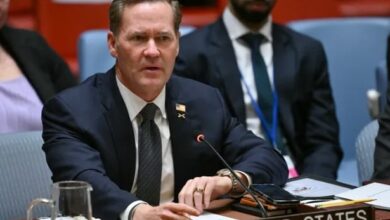
US Vice President JD Vance said Iran could gain access to the reconstruction fund if it complies with key requirements. These include limits on its nuclear program, the removal of enriched nuclear material, and acceptance of strict international inspections.
Meanwhile, regional security concerns continue despite progress in diplomacy.
Israeli military officials have indicated that troops could remain in southern Lebanon for an extended period even after the US-Iran agreement is signed. Israeli media reported that the army is prepared for a long-term deployment if ordered by political leaders.
The development appears to conflict with statements from Iranian and Lebanese officials. Lebanese President Joseph Aoun said the agreement includes commitments aimed at reducing military escalation throughout the region, including Lebanon.
Iranian Foreign Minister Abbas Araghchi also stated that ending hostilities in Lebanon is a key part of the broader agreement and should eventually lead to an Israeli withdrawal from Lebanese territory.
The agreement extends an existing ceasefire and provides an additional 60 days for negotiations toward a permanent settlement. During this period, discussions will focus on nuclear issues, sanctions, regional security, and economic cooperation.
US President Donald Trump said the agreement ensures that Iran will not acquire a nuclear weapon. He added that the full text of the memorandum will be released publicly in the coming days.
American officials also confirmed that the agreement would allow Iran to resume oil exports and regain access to banking, insurance, and transportation services necessary for international trade.
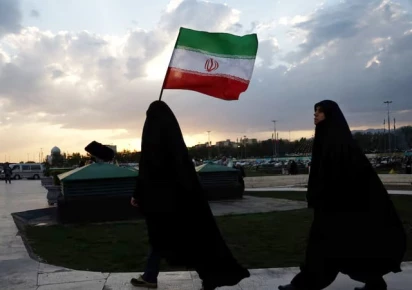
Analysts believe the deal could provide a significant boost to Iran’s economy, which has faced decades of sanctions and limited foreign investment. Iran possesses some of the world’s largest oil and natural gas reserves and has a population of more than 92 million people.
While the agreement represents a major diplomatic breakthrough, uncertainties remain. Israel has not formally joined the negotiations and has signaled that it may continue independent security operations. Observers say the success of the ceasefire and the future of the reconstruction fund will depend on whether all parties can reach a comprehensive and lasting settlement in the months ahead.