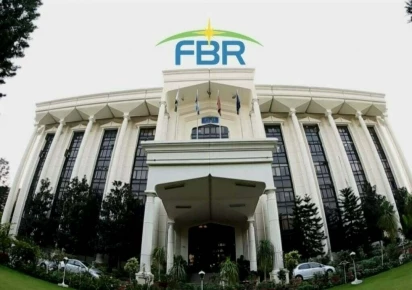

The dispute between textile mill owners and the Federal Board of Revenue (FBR) over the installation of surveillance cameras has escalated, with industry representatives strongly opposing the demand to bear the cost of the new monitoring system.
According to sources within the All Pakistan Textile Mills Association (APTMA), the FBR has directed textile mills to install cameras at their own expense as part of its efforts to enhance transparency and curb tax evasion. However, textile manufacturers have rejected the move, arguing that they cannot afford the additional financial burden, which they say amounts to millions of rupees.
Industry sources claim that mill owners have also expressed concerns over alleged warnings of factory closures if they fail to comply with the camera installation requirement.
Textile sector representatives maintain that while they do not oppose measures aimed at improving tax collection and transparency, the responsibility of financing the surveillance system should rest with the FBR if it considers the cameras necessary for monitoring purposes.
Drawing a comparison with Safe City surveillance systems, factory owners stated that citizens do not pay for the installation of government cameras, and similarly, the FBR should arrange and finance its own monitoring infrastructure instead of transferring the expense to businesses.
APTMA sources further argued that the government’s monitoring mechanism should not be limited to textile mills alone. They suggested that ginning and spinning mills should also be brought under the same framework, noting that only around 180 textile mills remain operational, whereas more than 1,200 ginning and spinning units are functioning across the country and could contribute significantly to the national tax revenue if properly monitored.