
Pakistan’s agricultural sector is moving towards a critical turning point as worsening water shortages, changing weather patterns and outdated farming practices continue to threaten the country’s food security, economy and rural livelihoods. Experts warn that the crisis did not emerge overnight but is the result of decades of policies that promoted traditional crop patterns without considering the changing environmental realities.
For many years, Pakistan’s farming system relied on abundant canal water, predictable seasonal cycles and policies that encouraged farmers to increase cultivated land rather than improve productivity. However, rising temperatures, frequent heatwaves, irregular rainfall and declining water availability have fundamentally altered the agricultural landscape, making many traditional farming choices increasingly unsustainable.
The country has now entered the category of water-stressed nations, with per capita water availability falling below critical levels. Underground water reserves are rapidly shrinking, particularly in Punjab and Sindh, while excessive use of chemical fertilisers and limited crop rotation have contributed to declining soil fertility.
Despite these challenges, large areas of agricultural land continue to be used for water-intensive crops such as sugarcane and rice, raising concerns among environmental and agricultural experts.
Sugarcane and Rice Under Scrutiny
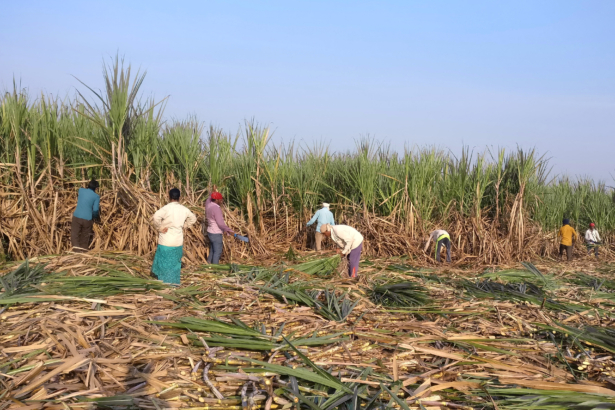
Sugarcane remains one of the most water-demanding crops grown in Pakistan, requiring significantly more water than alternatives such as oilseeds, pulses and cotton. Critics argue that the continued expansion of sugarcane cultivation is driven more by economic and political interests than environmental suitability. Its excessive water consumption has intensified pressure on groundwater resources and contributed to problems such as soil degradation and salinity.
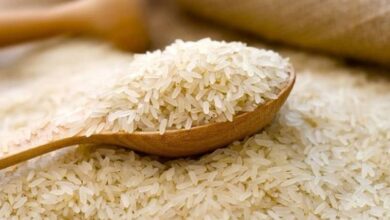
Similarly, rice cultivation has become a growing concern in regions where irrigation heavily depends on tube wells. Producing rice requires thousands of litres of water per kilogram, and climate-related factors including rising temperatures and unpredictable rainfall have made production more uncertain. Although rice remains a valuable export commodity, experts believe its expansion must be carefully managed to prevent further depletion of the country’s limited water resources.
Need for Smarter Wheat and Cotton Policies
Wheat continues to play a central role in Pakistan’s food security strategy, but agricultural specialists argue that increasing productivity should take priority over simply expanding cultivation areas. Growing wheat in marginal and dry regions often results in lower yields while placing additional pressure on scarce water supplies.
Meanwhile, cotton—once known as Pakistan’s “white gold”—has experienced a significant decline due to heat stress, pest attacks and the slow adoption of improved seed technologies. The fall in domestic cotton production has forced Pakistan to spend billions of dollars on imports, creating challenges for the textile industry, which remains one of the country’s largest export sectors.
Alternative Crops Offer a Sustainable Path
Agricultural researchers suggest that Pakistan has several climate-friendly alternatives that could reduce pressure on water resources while improving farmers’ earnings.
Oilseed crops such as canola, sunflower, soybean and mustard require comparatively less water and could help lower Pakistan’s heavy dependence on imported edible oil.
Pulses including moong, mash and masoor are well-suited to dry and semi-arid regions. These crops need less irrigation, naturally improve soil fertility and have strong demand in local markets, yet Pakistan continues to rely heavily on imports due to limited farmer incentives.
Traditional grains such as millet and sorghum, commonly known as bajra and jowar, are highly resistant to drought and high temperatures. These crops have the potential to strengthen food security in arid regions including Thar, Cholistan, Dera Ghazi Khan and several parts of Balochistan.
The horticulture sector, including fruits, vegetables and spices, also presents a major economic opportunity. Crops such as mangoes, citrus fruits, dates, tomatoes, onions and potatoes can generate much higher returns per acre compared with conventional crops. However, the sector requires greater investment in storage facilities, cold chains and modern marketing systems.
Fodder crops also deserve increased attention because the livestock industry contributes a major share of Pakistan’s agricultural economy. Improving the availability of high-quality fodder, including maize silage and Rhodes grass, could significantly increase livestock productivity and farmers’ incomes.
Policy Shift Needed for Agricultural Survival
Experts believe that Pakistan’s agricultural challenge is not only a matter of farming techniques but also of policy priorities. Current systems often encourage the cultivation of water-intensive crops instead of rewarding efficient water use, higher productivity and climate resilience.
A sustainable future will require reducing unnecessary expansion of sugarcane, restricting rice cultivation to suitable irrigated regions, improving wheat productivity, reviving the cotton sector through modern technology and providing greater support for oilseeds, pulses, millets, horticulture and fodder production.
As climate change accelerates and water resources become increasingly scarce, Pakistan faces a decisive choice: continue following outdated farming patterns that place pressure on land and water resources, or adopt a modern agricultural strategy designed for a hotter and drier future.