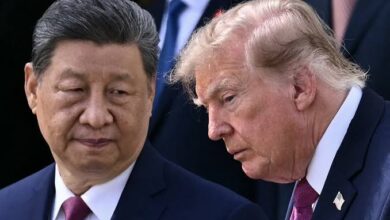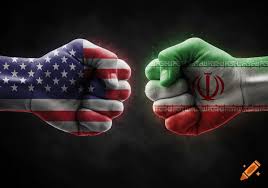

The summer of 2026 started with a feeling of worry around the world. Under the daily routines people were closer to a big global disaster than at any time in recent years. The Middle East had again become a place of tension between countries. Missiles were being fired across borders, military groups were getting ready oil supplies were uncertain and the chance of a war was hanging over the world. The fight was not just in one place. Instead it could pull in countries and lead to a Third World War.
For months there had been rising tensions between the United States and Iran. Their rivalry, which has been going on for a time had turned into open fighting. Military strikes, retaliatory attacks, economic blockades and diplomatic accusations created a situation where one wrong move could start a disaster. At the time Israel’s military actions in Lebanon got more intense. Airstrikes hit targets in Lebanon and Hezbollah responded with rocket attacks. Civilians on both sides were stuck in a cycle of fear. Whole communities lived under the sound of sirens, explosions. Had to leave their homes.
The international media said the Middle East was like a powder keg. Political analysts warned that the conflict had all the ingredients needed for a war to turn into a global one. The United States, Israel, Iran, Hezbollah and other regional players were getting more and more entangled in a conflict that went beyond the Middle East. Global energy markets were nervous. Investors were worried about oil supplies. Shipping companies were watching developments in waterways. Governments in Europe, Asia and Africa were preparing for the worst.
The alarming development was when the Strait of Hormuz became a focal point of confrontation. This narrow waterway, through which a lot of the world’s oil passes has long been seen as one of the strategic maritime routes. Reports suggested that tensions were rising around shipping and regional security. The possibility of disruptions in the Strait threatened not Middle Eastern stability but also the global economy. Economists warned that prolonged instability could trigger energy shortages, inflation and economic recession across continents.
As the crisis deepened diplomatic channels seemed fragile. Traditional mediators struggled to gain the trust of all parties. Mutual suspicion overshadowed negotiations. Public statements often contradicted discussions. Military commanders prepared for escalation while diplomats searched desperately for opportunities to de-escalate tensions. Around the world many observers feared that diplomacy was losing its race against warfare.
It was in this atmosphere of uncertainty that Pakistan emerged as a influential diplomatic actor. Historically Pakistan has maintained relationships with countries across the Muslim world while also engaging constructively with Western powers. This unique position enabled Islamabad to communicate with parties who often refused dialogue with one another. While global attention focused on developments Pakistani diplomats quietly pursued a different strategy: persuasion, mediation and dialogue.
Pakistan’s leadership recognized the magnitude of the danger. A prolonged conflict between the United States and Iran would destabilize the region. Continued Israeli bombardment in Lebanon risked provoking confrontation. Regional powers could be compelled to choose sides. International alliances might become activated. What began as a conflict could evolve into a global military crisis.
Reports indicated that Pakistan engaged extensively with stakeholders encouraging restraint and emphasizing diplomacy as the only viable path forward. Pakistani officials consistently argued that military solutions would produce temporary victories while generating long-term instability. Their message was simple yet profound: peace was not merely desirable; it was essential for survival.
As weeks passed diplomatic momentum gradually increased. Meetings occurred behind doors. Envoys traveled between capitals. International partners, including states contributed to mediation efforts. The process remained complex because the conflict involved actors with different priorities and grievances. Nevertheless dialogue continued.
A significant breakthrough appeared to emerge when reports indicated progress toward a peace agreement between the United States and Iran. Pakistan was repeatedly identified as a mediator in these efforts. Statements from leadership suggested that extensive negotiations had produced an agreed framework for reducing hostilities and opening pathways toward broader peace discussions.
The proposed framework reportedly aimed to halt operations address economic concerns reopen critical maritime routes and establish mechanisms for continued negotiations. Although challenges remained the development represented a diplomatic achievement. For the time in months the prospect of peace appeared more realistic than the prospect of war.
The road to peace remained perilous.
Even as negotiations advanced violence continued in Lebanon. Israeli military operations persisted. Hezbollah maintained its resistance. Civilians continued to suffer. Each new strike threatened to derail the diplomatic process. Hardliners on all sides questioned the wisdom of compromise. Skeptics argued that peace agreements signed on paper could not survive realities on the battlefield. Every missile launch, every airstrike and every casualty threatened to undo months of work.
The world watched anxiously as preparations began for talks in Switzerland. Geneva and other Swiss venues have long symbolized diplomacy. This time they became the stage upon which the future of stability might be determined. Delegations assembled. Negotiators reviewed proposals. Mediators worked tirelessly to bridge remaining differences. Pakistan continued its involvement coordinating with partners and encouraging both sides to maintain their commitment to dialogue.
The atmosphere surrounding the negotiations was tense. Public optimism competed with anxiety. Intelligence agencies monitored movements. Financial markets reacted to every rumor. Energy traders followed developments hour by hour. Citizens across the Middle East hoped desperately that diplomacy would succeed where warfare had failed.
Then came the dramatic phase of the crisis.
Israeli strikes in Lebanon intensified at a moment when negotiations were already under pressure. Iran responded with criticism and linked ongoing hostilities to broader concerns about the peace process. The Strait of Hormuz again became a symbol of the conflict’s global implications. Shipping activity declined, raising fears of disruption. Observers warned that if negotiations collapsed entirely the region could witness an escalation.
Military analysts began discussing worst-case scenarios. They examined possibilities involving confrontation between major powers, regional alliance activation and cascading military responses. Headlines across the world questioned whether humanity was approaching another conflict. The phrase “Third World War” reappeared in discourse with increasing frequency.
The situation resembled a structure standing on the edge of collapse. One push could send it crashing downward. One diplomatic failure could transform warfare into a global emergency.
It was at this moment that mediation became more important than military power.
Pakistan’s efforts helped preserve communication when communication seemed impossible. Than choosing confrontation it chose conversation. Than fueling division it promoted negotiation. Than celebrating military victories it emphasized human survival. This approach resonated with leaders who understood the costs of further escalation.
Gradually the logic of diplomacy gained strength. Negotiators returned to the table. Discussions resumed. Compromises became conceivable. International partners increased support for resolution. The possibility of a breakdown receded, though it never disappeared entirely.
The climax of this diplomatic story unfolded not on a battlefield but across negotiating tables.
Around the world millions anticipated the outcome. News organizations provided coverage. Governments monitored developments through channels. Investors awaited signs of stability. Families separated by conflict hoped for relief. The future seemed suspended between war and peace.
Then came announcements indicating progress toward a peace arrangement between the United States and Iran facilitated in part through Pakistani mediation. Although implementation challenges remained and violence in Lebanon continued to complicate matters the diplomatic breakthrough demonstrated that dialogue had not been defeated by warfare.
The significance of this achievement extended beyond the immediate participants. It showed that middle powers could play roles in global diplomacy. It demonstrated that patient negotiation could achieve results amid extreme hostility. Importantly it reminded the international community that peace remains possible even when war appears inevitable.
History often remembers generals, weapons and battles. Yet some of the consequential victories occur without a single shot being fired. They occur when nations choose reason over anger, diplomacy over destruction and dialogue over violence.
The events of 2026 may ultimately be remembered as one of those moments. The Middle East stood close to wider war. The global economy faced uncertainty. Major powers confronted one another across fronts. Fear spread across continents.. Amid this darkness diplomacy created a path toward hope.
Pakistan’s role in facilitating communication and encouraging negotiation became a chapter in that story. While no single country can claim responsibility for peace constructive mediation helped prevent escalation at a moment when escalation seemed frighteningly possible. The achievement demonstrated the enduring value of diplomacy in an age increasingly defined by confrontation.
The lesson is clear. Wars begin when communication ends. Peace begins when communication resumes. In 2026 as the world stared into the abyss of a catastrophe diplomatic engagement helped pull humanity back from the edge. The story remains unfinished and lasting peace still requires commitment, patience and courage. Nevertheless the crisis revealed a truth: even in the most dangerous moments of history the voice of dialogue can still be stronger, than the sound of war.