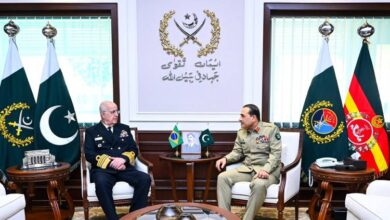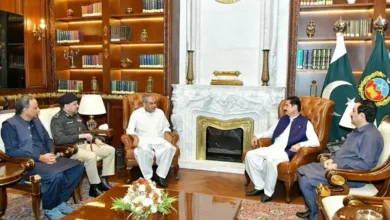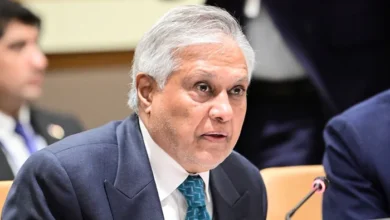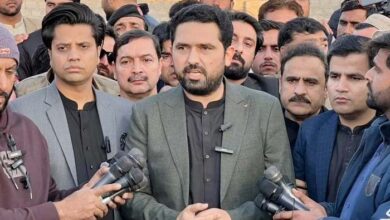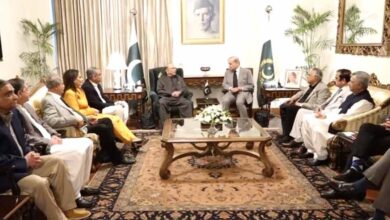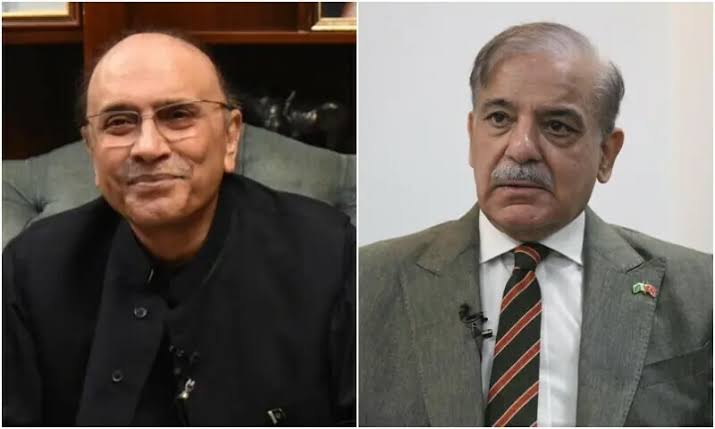

President Asif Ali Zardari, Prime Minister Shehbaz Sharif, and Interior Minister Mohsin Naqvi have paid rich tribute to the 22 Kashmiris who sacrificed their lives while braving the firing of Dogra forces in Srinagar in 1931, it was reported on Monday.
In their separate messages on Youm-e-Shuhada-e-Kashmir today, they said the people of Pakistan join their Kashmiri brethren in commemorating the sacrifice of the martyrs.
The President urged the international community to play its due role in supporting efforts for peaceful resolution of the Kashmir dispute in accordance with the UN resolutions.
The Prime Minister said lasting peace and stability in South Asia remains elusive till the peaceful resolution of the Kashmir dispute.
He reiterated Pakistan’s unwavering political, diplomatic, and moral support for the people of Jammu and Kashmir.
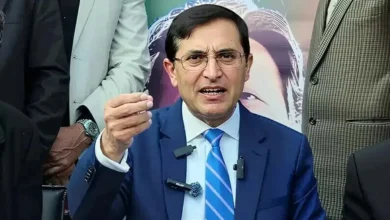
Interior Minister Mohsin Naqvi also paid glowing tribute to the Kashmiri martyrs who sacrificed their lives on July 13, 1931.
In his message, Mohsin Naqvi said that Kashmir is the jugular vein of Pakistan. He saluted the ultimate sacrifice of the 22 martyrs who faced bullets with courage and dignity in reverence of the call to prayer (Azaan),
He stated that July 13, 1931, was the harbinger of free conscience against a system that sought to silence the oppressed. He added that the guns of the Dogra regime and the violence of the Indian state are different forms of the same oppression.
Mohsin Naqvi emphasized that the suppression of belief, identity, opinion, and resistance through state power in Indian illegally occupied Jammu and Kashmir (IIOJK) is a mockery of human dignity.
He highlighted that the call for freedom cannot be suppressed with guns, imprisonment, or curfews. This voice will live on for generations.
He stressed that Kashmir Martyrs’ Day is a day of renewed commitment.
He highlighted that Pakistan stands as the guardian, advocate, and guarantor of the Kashmiris’ right to freedom.
He urged the international community and human rights organizations to take notice of Indian brutalities in Indian Occupied Jammu and Kashmir and play their due role for the security of human rights.