
ISLAMABAD: A long-running practice of paying pensions to retired government officials in foreign currency has come to light in Pakistan. According to documents, 33 retired officials have been receiving their pensions in US dollars abroad since 1993 with an estimated Rs. 8 to Rs. 10 billion reportedly spent from the national exchequer over the past nearly 30 years.
According to sources, the practice initially began as a limited administrative facility for a few retired diplomats but was gradually expanded under successive governments.
Dollar Pension Scheme began in 1993
According to sources, the payment of pensions in foreign currency began between 1993 and 1996 during Prime Minister Benazir Bhutto’s second term in office. Initially, the facility was limited to around three to four retired ambassadors who had served at difficult and sensitive diplomatic posts.
Sources claim that in subsequent years, the administrative facility was expanded without formal legislation or Cabinet approval.
Scheme expanded during Musharraf era
Between 2002 and 2004, during General Pervez Musharraf’s era, the policy was further expanded during the tenures of Prime Minister Mir Zafarullah Khan Jamali and later Shaukat Aziz.
According to sources, some senior bureaucrats from the Ministry of Foreign Affairs and other ministries were also included in the facility during this period increasing the number of beneficiaries to around 16.
Major expansion from 2008 to 2013
According to sources, the largest expansion of the dollar pension system took place between 2008 and 2013, when Yousaf Raza Gilani and later Raja Pervez Ashraf served as prime ministers under the Pakistan Peoples Party government.
During this period, family members of deceased officials were also allegedly included in the facility on “humanitarian grounds” bringing the number of beneficiaries residing abroad to 33.
$96,500 paid every month
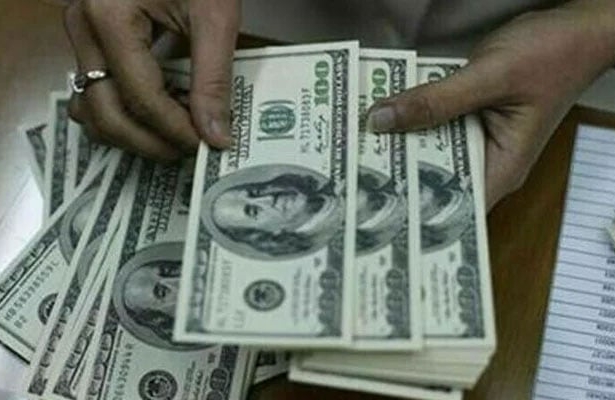
According to documents, the 33 retired officials currently residing abroad are collectively receiving approximately $96,500 per month. Available figures show that this amounts to approximately $1.158 million annually equivalent to around Rs. 342 million per year.
According to sources, these payments are made through Pakistani embassies in the United States, United Kingdom, Canada, Australia and Europe and are recorded under “Miscellaneous Expenditure.”
Questions over legal status
Sources have claimed that the expansion of the policy at various stages did not have formal legal approval, Cabinet approval or parliamentary oversight.
However, a final determination regarding the legal status of the policy can only be made on the basis of official records and decisions by the competent authorities.
Legal and economic experts have called on the government to conduct a comprehensive review of the legal basis for pension payments in foreign currency, payments made in the past and their financial impact.
Prime Minister Shehbaz Sharif orders end to practice
According to sources, after the matter came to light, Prime Minister Muhammad Shehbaz Sharif ordered the practice to be discontinued as part of efforts to curb unnecessary government expenditure.
A federal minister, speaking on condition of anonymity said the prime minister had adopted a zero-tolerance policy toward wastage of public funds, misuse of authority and unnecessary financial privileges.
According to the Ministry of Foreign Affairs, the matter is under consideration and a summary has been sent to the Cabinet to shift all such future payments to Pakistani rupees and permanently end the existing arrangement.
Calls for Parliamentary investigation
Meanwhile, opposition lawmakers have called for a parliamentary investigation into the matter saying that if foreign-currency payments were made in the past without legal authority, they should be thoroughly scrutinized.
According to sources, a final decision on the government’s future course of action will be taken after approval from the relevant ministries, the Cabinet and the Prime Minister’s Office.