


PESHAWAR: A government audit report has alleged widespread financial irregularities and organised corruption in Khyber Pakhtunkhwa’s minerals sector during the Pakistan Tehreek-e-Insaf (PTI) government, estimating that the provincial exchequer suffered losses of more than Rs16.94 billion in a single year.
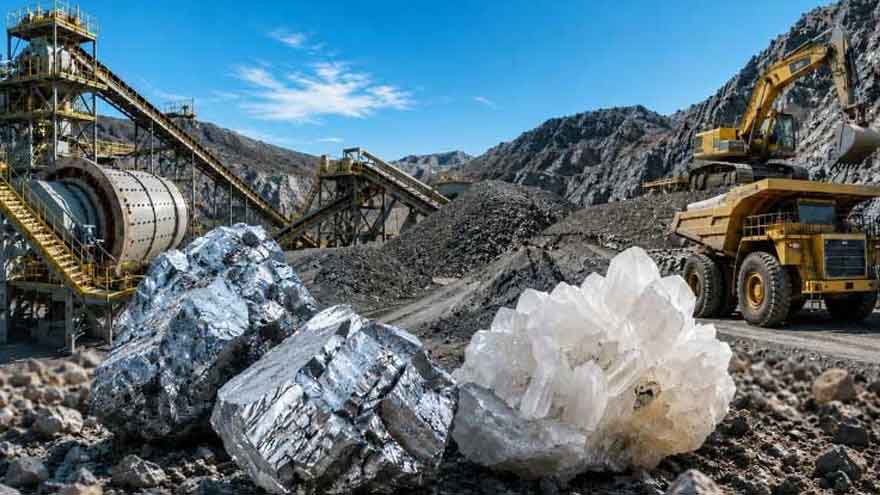
According to the audit report, the matter went beyond administrative mismanagement and involved organised corruption. The report highlighted alleged losses arising from illegal mining, failure to recover outstanding dues from contractors, non-collection of duties and royalties, and the unauthorised extraction of minerals and construction materials.
The audit report stated that more than Rs8 billion was allegedly lost through illegal mining during 2022 and 2023 under the PTI government, with the report attributing the situation to government patronage and alleged collusion.
It further stated that outstanding dues amounting to Rs4.31 billion were deliberately not recovered from defaulting contractors, describing the failure to collect the amount as an indication of alleged official patronage of corruption.
The report also revealed that illegal mining continued across the province despite the presence of checkpoints, inspectors and officials of the Minerals Department. According to the findings, the continuation of illegal mining despite the departmental monitoring arrangements resulted in a further loss of Rs3.08 billion to the provincial exchequer.
The audit report also highlighted alleged irregularities involving the extraction of gravel and sand in the name of constructing highways and small dams. According to the report, the illegal extraction of these materials resulted in losses of Rs3.07 billion.
The findings raised questions about the monitoring of mineral extraction and the collection of government revenues from construction-related activities.
The government audit report further stated that Rs547.2 million in excise duty imposed on minerals had not been collected. It also revealed that outstanding dues exceeding Rs810 million from coal, bauxite, limestone and soapstone mines had been waived.
The report highlighted these uncollected duties and waived dues among the financial irregularities identified in the minerals sector.
The report also identified an alleged loss involving land belonging to the Minerals Department in Peshawar. According to the findings, the land was leased at only Rs200 per acre instead of the prescribed rate of Rs10,000 per acre. The arrangement allegedly caused a loss of Rs140 million to the public exchequer.
The report also pointed to the non-recovery of outstanding dues related to small dams in Kohat, Nowshera, Swabi, Haripur and other districts. According to the audit findings, the failure to recover these amounts resulted in losses exceeding Rs530 million.
The audit report further revealed that royalty payments amounting to Rs63.6 million in Mardan had also allegedly been withheld. The findings identified the non-recovery of government dues and royalty payments as additional areas requiring scrutiny in the provincial minerals sector.
According to the report, the Auditor General explicitly recommended an inquiry against those responsible for the alleged irregularities. The recommendation calls for the matter to be examined and responsibility to be determined in light of the audit findings.
Experts have described the allegations as a serious case involving the alleged misuse of Khyber Pakhtunkhwa’s natural resources and public revenue. They have called for officials named in the report to be brought before the law and for a thorough investigation into the allegations.
The audit findings have raised concerns about illegal mining, revenue collection, the management of mineral resources and the enforcement of regulations in Khyber Pakhtunkhwa. The allegations detailed in the report concern financial losses and irregularities identified through the government audit process, with the Auditor General recommending an inquiry to establish responsibility.