
Pakistan’s heavy disease burden and uneven healthcare delivery came into focus in the National Assembly as lawmakers questioned the Ministry of National Health Services, Regulations and Coordination on pneumonia deaths, tuberculosis, cancer care financing, medicine prices, and maternal health coverage.
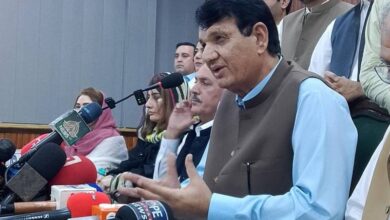
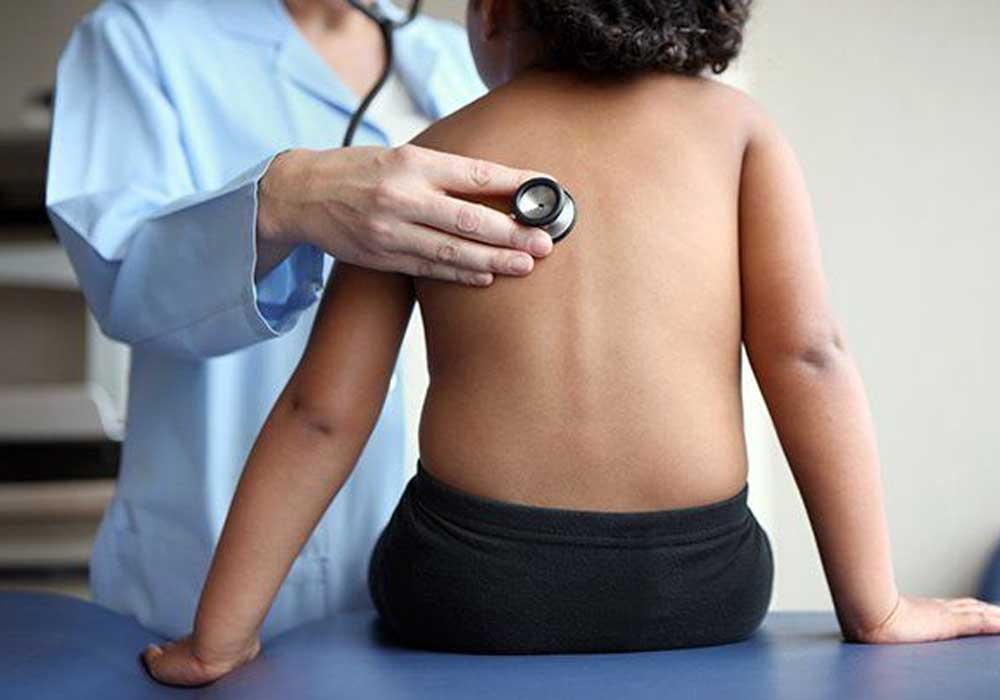
Responding to a question by Mr. Ibrar Ahmad, Health Minister Syed Mustafa Kamal admitted that Pakistan ranks third globally in pneumonia related deaths, despite respiratory infections falling from the third to the sixth leading cause of mortality domestically.
He outlined government measures including strengthened disease surveillance, expanded vaccination, workforce training through the Field Epidemiology Training Program, availability of antibiotics and oxygen therapy, seasonal advisories by NIH, and planned mortality surveillance systems.
On tuberculosis, the House was informed through written replies that Pakistan records an estimated 669,000 new TB cases annually. While the incidence of drug-susceptible TB declined from 275 per 100,000 population in 2022 to 266 in 2024, over 4,222 drug resistant TB patients are currently enrolled in treatment at 72 sites, each receiving monthly financial support of Rs. 12,000. The government has expanded diagnostic capacity through GeneXpert testing, AI enabled X ray units, and PCR equipped laboratories.
Cancer treatment drew sustained attention. Responding to Dr. Sharmila Faruqui, the Minister disclosed that free cancer treatment in Balochistan operates through a cost sharing arrangement under which Roche Pakistan contributes 64 percent and the provincial government 36 percent, covering breast, lung, and liver cancers. He said Sindh and Punjab are in advanced negotiations for similar models.
For Islamabad, AJK, and Gilgit Baltistan, a separate agreement provides free medicines for five years, with the federal government contributing 27 percent and Roche 73 percent. The House was also informed that the Pakistan Atomic Energy Commission operates 18 cancer hospitals nationwide, handling nearly 80 percent of the country’s cancer burden.
On polio eradication, Ms. Asiya Naz Tanoli was told that 30 cases were reported in 2025, down from 74 in 2024, with no cases since September 2025. The Minister said the National Emergency Action Plan 2025-26 includes nationwide and sub national vaccination campaigns, fractional IPV drives in Karachi, Quetta, and Peshawar, focus on South KP, and coordination with Afghanistan.
The Ministry also defended its medicine pricing policy. Responding to Mr. Anjum Aqeel Khan, the Minister stated that prices of essential medicines under the National Essential Medicines List remain regulated, while only non essential medicines were deregulated through an SRO issued in February 2024. He ruled out any review of the policy, citing reductions in prices of 89 originator brands, promotion of generic medicines, and provincial monitoring as safeguards.
Maternal and reproductive health initiatives were detailed in response to Syeda Amnah Batool, with the Minister outlining multiple projects in Islamabad, including upgraded Basic Health Units, Community Health Centres, mother and child hospitals, neonatal facilities, and emergency obstetric services. He confirmed utilization of over Rs. 1 billion for rural health upgrades and stated that projects have been externally audited up to FY 2023-24.