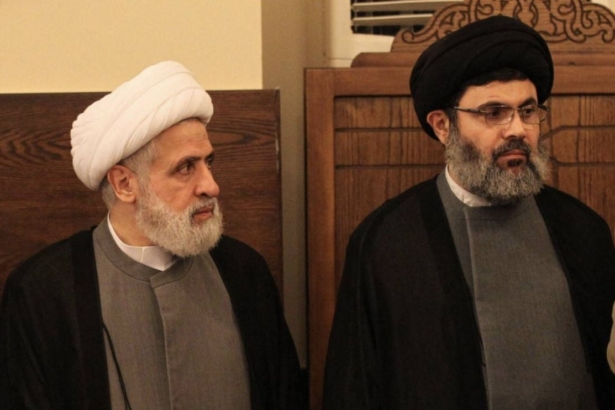

Lebanese militant group Hezbollah has ceased attacks on northern Israel and on Israeli troops stationed within Lebanon, after the US and Iran announced a two-week ceasefire and signaled a return to negotiations, three Lebanese sources close to the group told Reuters.
The group has also claimed that the Lebanon front is included in the ceasefire, and that its exclusion would lead to its collapse.
Hezbollah MP Ibrahim Moussawi told local media: “If the Israeli enemy does not adhere to a ceasefire, then no party will commit to it, and there will be a response from the region, including Iran,”.
The Israeli response, in stark contrast to that of Hezbollah, has been to claim that Lebanon is not included in the ceasefire, and that the Israeli military will its continue operations in the region. In accordance with that statement, they have carried out numerous attacks on multiple locations across southern Lebanon since the ceasefire deal was announced.
“The battle in Lebanon continues, and the ceasefire does not include Lebanon,” Israel’s military spokesperson Avichay Adraee said in a statement on X on Wednesday, while also reiterating evacuation orders for large parts of southern Lebanon. The military’s statement was in addition to one made overnight by the office of Israeli Prime Minister Benjamin Netanyahu, which stated Israel’s support for the decision to suspend strikes on Iran for the two-week period, and said that the ceasefire did not apply to Lebanon.
The Israeli response directly contradicted statements made not only by Iran, but also Pakistan, which has been mediating between the US and Iran in the conflict.
Pakistani Prime Minister Shehbaz Sharif, in his overnight announcement of the ceasefire, said that Iran, the US, and its allies had “agreed to an immediate ceasefire everywhere including Lebanon and elsewhere”.
Israel has stressed repeatedly that it considers the conflict in Lebanon to be separate from the one in Iran and the rest of the middle east.
A senior Lebanese official told Reuters that Lebanon had received no guarantees or other information regarding its inclusion in the two-week ceasefire, and that it had not been involved in any talks.
“We have informed all relevant parties that the Lebanese authorities are the only ones authorized to negotiate on behalf of Lebanon, and that any negotiations with unofficial parties would not be relevant for Lebanon as a state,” the official said, adding that Beirut’s assessment was that continued Israeli strikes on Lebanon would not necessarily cause the collapse of the broader regional ceasefire.
Iran had reportedly told mediators as early as mid-March that it wanted a deal that included Lebanon, according to sources cited last month by Reuters.
Lebanese President Joseph Aoun, welcoming the U.S.-Iran ceasefire, said Beirut would continue its efforts to ensure the inclusion of Lebanon in any lasting regional agreement.
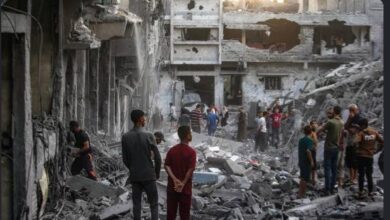
It has been estimated that more than 1,500 people have been killed in Israel’s air and ground campaign across Lebanon since March 2, including more than 130 children and more than 100 women. By late March, more than 400 Hezbollah fighters had been killed, according to sources cited by Reuters. The Israeli military has stated that at least 10 Israeli troops have been killed in southern Lebanon within the same period.
Israel has pledged to occupy southern Lebanon up to the Litani River as part of a “security zone” it says is aimed at protecting its own northern residents.