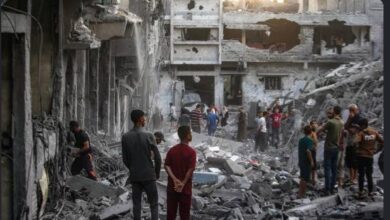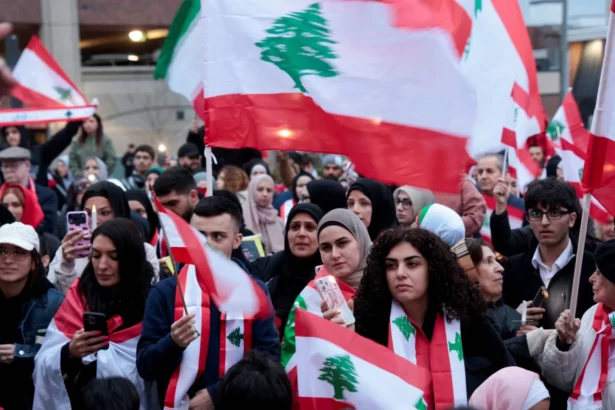

Lebanon’s government is prioritizing an immediate halt to hostilities before entering any formal peace negotiations with Israel, according to Culture Minister Ghassan Salame. Speaking to Al Jazeera, Salame emphasized that the focus remains on securing a pause in military activity to stop the ongoing shelling and bombardment.
“We are talking about a preparatory meeting at ambassador level in order to produce a pause in military activity, if not a ceasefire, so the shelling and bombardment stop,” Salame explained. He added that Lebanon does not have “much leverage” in the talks, underscoring the challenges facing the country as it navigates the conflict.
The meeting, scheduled to take place in Washington on Tuesday, will bring together Israeli and Lebanese ambassadors at the US State Department. The discussions aim to establish a pathway toward a ceasefire, though expectations remain cautious.
Responding to Israeli demands for the rapid disarmament of Hezbollah, Salame argued that such measures cannot be imposed in a matter of days or hours. “Disarmament is a process that can take years,” he said, highlighting the complexity of addressing one of the most contentious issues in the conflict.
Salame noted that while violence has reduced in certain areas, particularly in Beirut, there are no firm assurances that the de-escalation will hold. “There has been a promise … some kind of commitment that there should be a de-escalation, and residents of Beirut and of the suburbs noticed there has been some kind of de-escalation,” he said.
The minister’s remarks reflect Lebanon’s cautious approach to the negotiations. By focusing first on halting hostilities, the government hopes to create conditions that could eventually lead to broader peace talks. Analysts say this strategy underscores Lebanon’s limited bargaining power but also its urgent need to protect civilians from ongoing bombardment.
The Washington meeting represents a preliminary step rather than a comprehensive negotiation. Both sides remain deeply divided on key issues, particularly Hezbollah’s role and the broader security arrangements in southern Lebanon. For Lebanon, the immediate priority is to stop the violence and provide relief to communities that have endured months of conflict.
Observers note that the talks come at a critical moment, with international pressure mounting for de-escalation in the region. The United States has positioned itself as a mediator, but the success of the meeting will depend on whether both sides can agree to even a temporary pause in fighting.
Lebanon’s insistence on halting hostilities before discussing long-term solutions reflects both humanitarian concerns and political realities. Without a ceasefire, the prospect of meaningful negotiations remains slim. Salame’s comments highlight the government’s determination to secure at least a temporary reprieve for its citizens, even as broader questions about disarmament and regional security remain unresolved.