
Iran has warned of possible retaliation against ports across the Gulf if its own facilities come under attack, following a decision by Donald Trump to impose a blockade on the Strait of Hormuz after inconclusive talks in Islamabad.
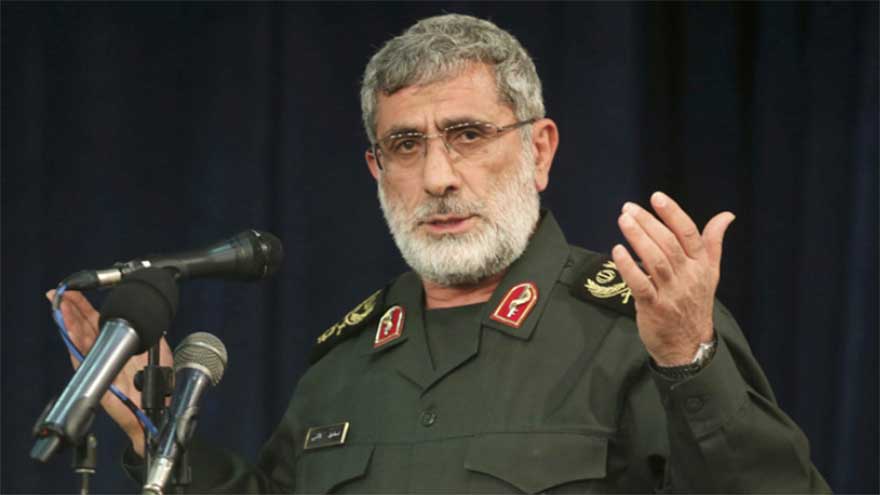
Commander of Iran’s Quds Force, Esmail Qaani, issued a warning to the United States and Israel, saying both would ultimately leave the region empty-handed. He emphasized that the “axis of resistance” remains active and well-prepared across the region.
Qaani pointed to past conflicts, saying the United States and its allies had previously withdrawn without success from Yemen, Bab el-Mandeb, and the Red Sea, and would face a similar outcome again.
He reiterated that Iran is ready to respond decisively to any aggression, warning that military movements toward the Strait of Hormuz would be met with force. He also declared that Gulf ports would either remain accessible to all or to none, describing U.S. restrictions on shipping in international waters as “piracy.”
Iranian Navy Commander Shahram Irani dismissed threats from Trump as “ridiculous,” adding that U.S. military movements are under close surveillance.
Meanwhile, Foreign Ministry spokesperson Ismail Baghaei criticized the blockade, calling it an act of economic retaliation against the global community and questioning the viability of waging war by targeting international trade.
Reports indicate that US forces have begun enforcing a blockade around Iranian ports, with officials warning that vessels violating restrictions could be intercepted or seized. Analysts caution that the situation could significantly heighten regional tensions and disrupt global markets.
Separately, Iranian Defence Ministry spokesperson Reza Talaei-Nik warned that foreign attempts to control the strait would deepen the crisis and threaten global energy security.
At the same time, NATO allies such as United Kingdom and France have indicated they will not participate in the blockade, instead calling for the reopening of the crucial waterway, through which roughly one-fifth of the world’s oil supply passes.