
Canada, the United Kingdom, Australia and Japan—along with six other nations—have issued a strong joint call for an “urgent end to hostilities” in Lebanon, as the conflict continues to escalate and civilian suffering deepens across the country.
In a coordinated statement released on Tuesday, the countries expressed grave concern over the worsening humanitarian situation and mass displacement unfolding in Lebanon, where Israeli military operations have intensified since March. Without directly naming either Israel or Hezbollah in most of the statement, the countries condemned the killing of United Nations peacekeepers and warned of growing risks for humanitarian workers operating in active conflict zones.
The appeal was signed by Australia, Brazil, Canada, Colombia, Indonesia, Japan, Jordan, Sierra Leone, Switzerland, and the UK, reflecting a rare unified diplomatic push from diverse regions calling for immediate de-escalation.
The statement comes in the wake of deadly incidents involving UN peacekeepers, including the deaths of three Indonesian personnel last month. According to preliminary findings from a UN investigation, one peacekeeper was killed by an Israeli tank shell, while two others were reportedly killed by an improvised explosive device believed to have been planted by Hezbollah. The findings have intensified global alarm over the safety of international personnel in the region.
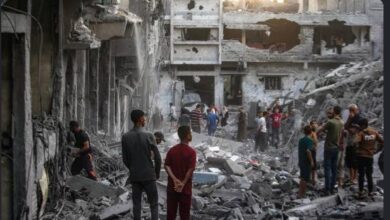
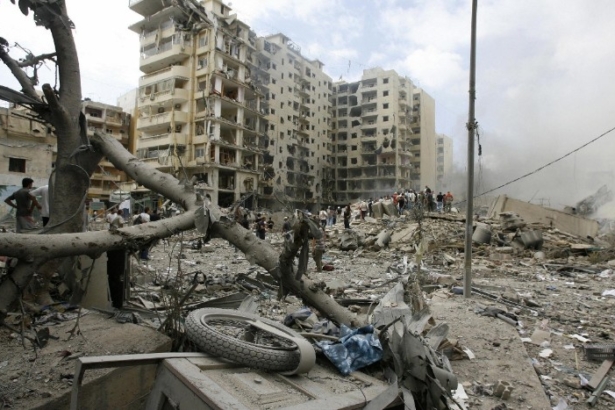
Meanwhile, fighting across southern Lebanon has escalated sharply since early March, when Hezbollah launched missile attacks into northern Israel. Israel responded with a major air and ground campaign, which has since expanded deeper into Lebanese territory. Lebanese authorities say the offensive has killed more than 2,000 people and displaced approximately 1.2 million residents, triggering one of the country’s worst humanitarian crises in years.
The joint statement emphasized that attacks on peacekeepers are unacceptable under international law and must be investigated thoroughly. It also highlighted the increasing danger faced by aid workers, many of whom continue to operate in unstable and heavily bombarded areas.
“We condemn in the strongest terms actions that have killed UN peacekeepers and significantly increased the risks faced by humanitarian personnel in southern Lebanon,” the countries said, urging all parties to respect international humanitarian obligations.
The diplomatic push follows growing international concern over the widening regional conflict, which has already drawn in multiple actors. The war escalated after renewed hostilities linked to broader tensions involving Israel, Hezbollah, and Iran, creating fears of a prolonged multi-front confrontation in the Middle East.
The signatory countries also welcomed the ceasefire agreement reached between the United States, Israel, and Iran, calling it a potential stepping stone toward broader regional stability. However, they stressed that without an immediate halt to fighting in Lebanon, the humanitarian situation could deteriorate further.
Despite mounting pressure from global powers, significant disagreements remain over the path forward. Israel has insisted that Hezbollah must be disarmed before any ceasefire in Lebanon can be considered, while Iran has argued that the Lebanese conflict must be included in any comprehensive regional settlement.
As diplomatic efforts continue, civilians in Lebanon remain caught in the crossfire—facing displacement, destruction, and uncertainty as the international community races to prevent further escalation.