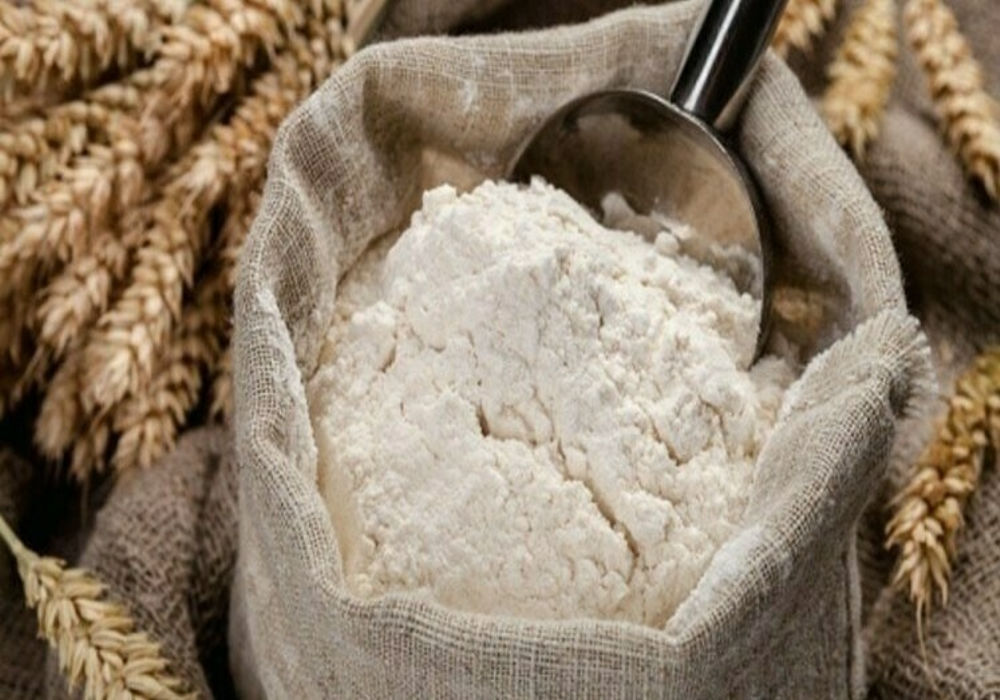

Flour prices have witnessed a sharp increase across Khyber Pakhtunkhwa after disruptions in the interprovincial movement of wheat and flour from Punjab created supply shortages and intensified pressure on local markets.
Industry representatives said the flour milling sector in Khyber Pakhtunkhwa is heavily dependent on wheat supplied from Punjab due to a significant gap between local production and consumption needs. According to estimates shared by the flour mills association, the province produces nearly 1.2 million metric tonnes of wheat annually against a yearly requirement of around 5.2 million metric tonnes.
The resulting shortfall of almost 4 million metric tonnes is traditionally met through supplies transported from Punjab. However, recent disruptions in the movement of wheat and flour have affected procurement activities, forcing mill owners to purchase grain at elevated rates.
Millers stated that rising procurement costs have directly translated into higher flour prices in retail markets across the province. Over the past week alone, the price of a 20-kilogram flour bag has climbed from approximately Rs2,200 to Rs2,400, adding to the financial burden on households already struggling with inflation and increasing utility expenses.
Traders and market observers warned that if supply channels remain constrained, flour prices could rise further in the coming weeks, particularly affecting low-income families who rely on wheat flour as a staple food item.
The escalating prices have prompted concern within the provincial administration. In an effort to stabilise the market and ensure adequate availability of wheat, the Khyber Pakhtunkhwa government has approved the procurement of 225,000 metric tonnes of wheat and released the necessary funds for immediate purchases.
Provincial authorities have also approached the federal government and officials in Punjab, urging them to remove restrictions affecting the transportation of wheat between provinces. In official correspondence, the provincial government reportedly described barriers to interprovincial wheat movement as unconstitutional and called for uninterrupted supply routes to prevent further market instability.