
Nineteen years after the deadly May 12 violence in Karachi, the families of victims are still waiting for justice as the tragic events of 2007 remain one of the darkest chapters in the city’s history.
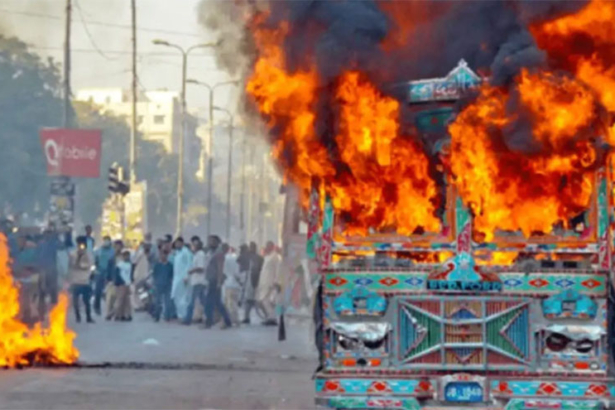
The violent clashes, widely remembered as the “May 12 tragedy” or “Black Saturday riots,” claimed around 50 lives and left dozens injured when rival political groups battled across Karachi on May 12, 2007.
The violence erupted on the day former Chief Justice of Pakistan Iftikhar Muhammad Chaudhry was scheduled to arrive in Karachi during the height of the lawyers’ movement against his suspension.
Thousands of lawyers, political workers and supporters had planned to welcome the chief justice at Karachi airport. However, major roads were blocked with containers, creating a complete shutdown across the city. Armed clashes soon broke out in several areas, turning Karachi into a battleground for hours.
Witnesses recalled that people attempting to reach the airport or cross barricades came under gunfire. The violence spread rapidly across major roads and commercial areas, while residents remained trapped inside homes and offices amid fear and chaos.
Lawyers present at City Court, Sindh High Court and Malir courts were reportedly unable to leave court premises safely. Judges and court staff also faced severe difficulties while trying to escape the violence-hit areas.
The sound of heavy gunfire echoed throughout the city as normal life came to a standstill. Public transport disappeared from roads, businesses shut down and emergency services struggled to move through blocked routes.
Following the incident, calls for accountability and judicial action intensified nationwide. A larger bench was later formed to examine the tragedy, but the situation changed dramatically after emergency rule was imposed in the country later that year.
Legal proceedings related to the violence gradually lost momentum and no major convictions or punishments followed. Over time, the case faded from active political debate, but the memories of the victims and survivors continued to haunt many families.