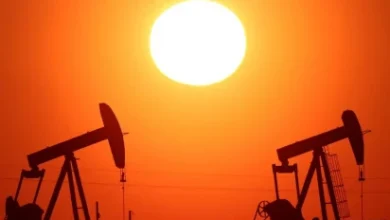


Global crude oil prices declined sharply on international markets after maritime traffic and commercial shipping operations resumed through the strategically important Strait of Hormuz, easing concerns over potential disruptions to global energy supplies.
According to the latest market data, U.S. West Texas Intermediate (WTI) crude futures fell by $1.32 per barrel, closing at $72.54. Meanwhile, Brent crude, the international benchmark used to price much of the world’s oil, dropped by $1.40 to trade at $76.50 per barrel.
The decline came after shipping activity through the Strait of Hormuz returned to normal, reducing fears of supply shortages that had previously driven prices higher. The waterway, located between the Persian Gulf and the Gulf of Oman, serves as one of the world’s most critical energy transit routes, with a significant portion of global oil exports passing through it every day.
Energy analysts said that market sentiment improved as concerns over regional instability began to fade. Investors had been closely monitoring developments in the Gulf region, where heightened geopolitical tensions had raised the possibility of disruptions to oil transportation and supply chains.
With shipping lanes remaining operational and no immediate threats to oil exports reported, traders shifted their focus toward supply fundamentals, leading to a correction in crude prices. Analysts noted that the restoration of uninterrupted maritime movement has helped reassure markets about the stability of global energy supplies.
Market observers believe that the recent decline reflects growing confidence that oil-producing nations in the region will continue to meet export commitments without significant logistical obstacles. The easing of risk premiums that had been built into oil prices during periods of uncertainty also contributed to the downward movement.
Experts cautioned, however, that crude markets could remain volatile in the coming weeks as investors continue to assess geopolitical developments, global demand trends, and economic indicators from major energy-consuming countries.