
ISLAMABAD/PESHAWAR: The deadly attack on a mosque inside Kohat’s Old Police Lines and Pakistan’s subsequent airstrikes in eastern Afghanistan have triggered a fresh escalation between Islamabad and Kabul, with competing claims over militant sanctuaries and civilian casualties.
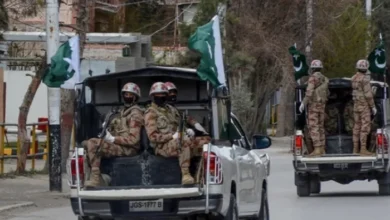
The September 18 Kohat assault began when an explosives-laden vehicle struck near a mosque during Friday prayers, followed by an armed attack on police facilities. Pakistani authorities said at least 21 people were initially killed and more than 100 injured, while the subsequent clearance operation ended with eight attackers dead. Dawn later reported that the death toll had risen to 23, including 17 police personnel.
The attack was claimed by Ittehad-ul-Mujahideen Pakistan, an alliance formed in April 2025 involving the Hafiz Gul Bahadur Group, Lashkar-e-Islam and Harkat Inqilab-e-Islami Pakistan, according to the Pakistan Institute for Conflict and Security Studies. Al Jazeera also reported that the alliance, linked to Hafiz Gul Bahadur, claimed responsibility for the Kohat assault.
Pakistan has repeatedly accused militant groups operating from Afghanistan of carrying out attacks inside the country, while Kabul has rejected allegations that it provides sanctuary for Pakistani militants.
Footage Raises Questions Over Kohat Attack
Three videos circulated by Afghan outlet Al Khabeer Afghanistan are being presented as part of an alleged chain connecting militant activity in Afghanistan with the Kohat assault.
One video reportedly shows the suicide attacker beside the vehicle allegedly used in the Kohat bombing, with text identifying a “Hakimullah Mehsud Caravan”. However, the video’s authenticity, provenance and the identity of the individual shown require independent verification before definitive conclusions can be drawn.
Another video reportedly features an Afghan woman from Pattan village in Kunar’s Nurgal district. She alleges that Pakistani militants and Afghan associates had been settled in the area for more than a year and says residents had previously complained about their presence.
Her testimony, if independently authenticated, could provide additional context about militant activity in the area. It does not, by itself, establish responsibility for the Kohat attack or independently verify the identity of those killed in the airstrikes.
A third video reportedly shows armed men inside a hideout in Afghanistan. The footage has been described as showing TTP militants, but independent verification of the location, date and identities remains necessary.
Pakistan Launches Airstrikes
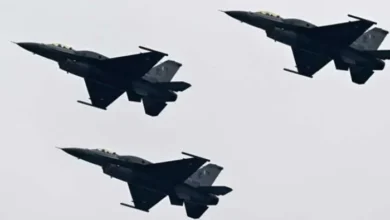
Following the Kohat attack and other militant violence, Pakistan carried out airstrikes in Afghanistan’s Kunar and Paktika provinces.
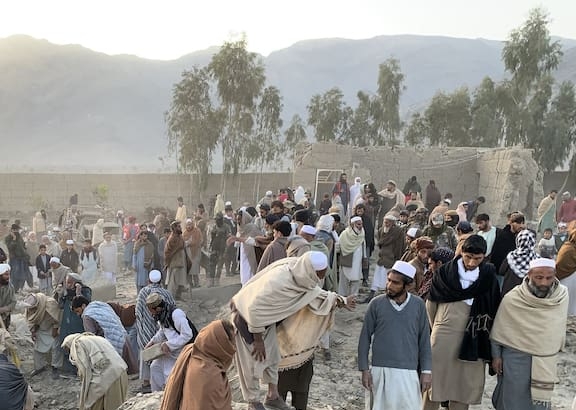
Pakistan said the strikes targeted militant hideouts and claimed that dozens of militants were killed. Afghan authorities, however, reported civilian casualties. Reuters reported that Afghan officials said three civilians were killed and four wounded in Kunar, while Al Jazeera cited Afghan officials saying a house in Nurgal was hit and three members of one family were killed.
Afghan officials also reported damage to civilian property in Paktika. The competing accounts could not immediately be independently reconciled.
The latest confrontation highlights the increasingly direct security dimension of Pakistan-Afghanistan relations. Islamabad says militant networks based across the border pose a continuing threat, while the Taliban government has repeatedly rejected allegations that Afghan territory is being used to launch attacks against Pakistan.
With both sides offering conflicting accounts of the September strikes, independent verification of the videos, identities of those killed and locations targeted will be crucial to establishing the full chain of events.